This luxury Ladakh itinerary is designed for travelers who want to experience Leh’s ancient heart, dramatic landscapes, and Pangong Lake in refined comfort.
The moment your aircraft slips between the Himalayan ridges and descends toward Leh, something inside you shifts. The light looks different here—thinner, colder, more deliberate. The silence settles in first, not as emptiness, but as a kind of ancient presence that seems to breathe around you.
Stepping out onto the tarmac in Leh, you feel the altitude before you understand it. A crisp flutter in the lungs. A quiet insistence to slow down. To become present. To let Ladakh reveal itself at its own rhythm.
This five-day journey is designed precisely for that moment—for the traveler who seeks more than a vacation. For the wanderer who wants to experience Ladakh as a cinematic unfolding, where each monastery echoes with centuries of devotion, each ridge line opens like a new chapter, and each evening wraps you in a silence that feels almost ceremonial.
Luxury Ladakh Itinerary Overview: 5 Days of Elevated Himalayan Travel
Luxury in Ladakh is not excess.
It is intention.
It is space.
It is pace.
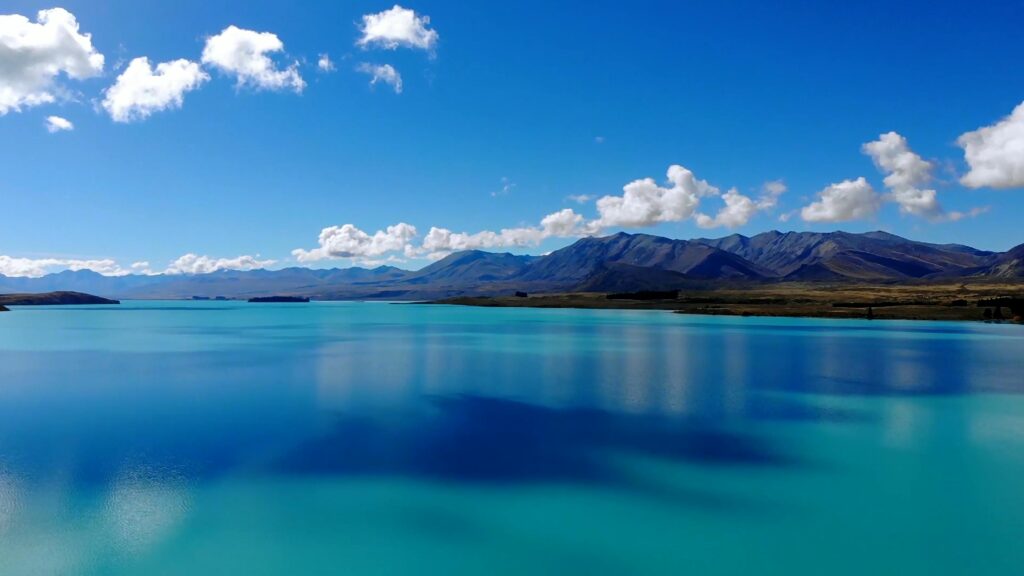
This itinerary balances acclimatization with immersion, comfort with authenticity, and refined travel with deep cultural resonance. By the time you leave, the Himalayas will feel less like a view and more like a memory imprinted into your bloodstream.
Why This 5-Day Ladakh Itinerary Is Perfect for Luxury Travelers
This itinerary is crafted around the needs and expectations of high-end travelers:
- Slow acclimatization with premium comfort
- Smooth logistics managed by private vehicles and expert local guides
- Intentional pacing to avoid altitude fatigue
- Cinematic, photography-forward moments throughout
- Visits curated for cultural depth rather than checklist tourism
- Boutique and luxury hotels prioritizing warmth, privacy and calm
- Fine-dining options integrated seamlessly into each day
- Intimate experiences such as monastery visits, artisan stops, and lakeside walks
- High-end shopping (pashmina, apricot oil, heritage crafts)
- Balanced driving hours with maximal scenic payoff
For the discerning traveler, this is a Ladakh that feels curated, elevated, and emotionally resonant.
Day 1: Arrival in Leh and High-Altitude Acclimatization
Morning: First Breath of the Himalayas
Your flight from Delhi cuts through layers of winter cloud before revealing the stark, untouched expanse of the Ladakhi mountains. The descent feels cinematic, as if you’re entering a world suspended between earth and sky.
At the airport, your private driver escorts you to a boutique hotel in Leh Bazaar. The short drive gives you your first glimpse of mud-brick homes, monasteries perched on cliffs, and prayer flags trembling in the cold sun.
You settle into a sunny courtyard with butter tea or lemon honey. Your only task this morning: breathe slowly, hydrate, and allow your body to meet the altitude with respect.
Afternoon: Gentle Orientation to Leh
After a light lunch, you begin a soft, guided walk through Leh Bazaar. The air is thin but crisp, carrying the scent of juniper and fresh snow. You visit the exterior terraces of Leh Palace, absorbing sweeping views of the town and valley.
Your guide helps you pick up essentials—bottled water, ORS packets, paracetamol—simple luxuries that make the rest of the trip more comfortable.
If you feel steady, you ascend gently to Shanti Stupa. It isn’t a climb; it’s a quiet approach toward one of the best sunset perches in Ladakh.
Evening: Warmth and Stillness
Dinner is slow and grounding—thukpa, dal, fresh bread. Over tea, your guide outlines tomorrow’s monastery visits. If energy allows, you take a brief walk through the lit bazaar, where winter stalls glow softly in the evening chill.
Day one ends early by design. Rest is the greatest luxury Ladakh offers on arrival.
Day 2: Leh’s Palaces, Monasteries & Cultural Markets
Morning: The Royal Heart of Leh
You wake to sunlight pooling across your room like liquid gold.
After breakfast, you rise toward Leh Palace for a guided tour. The terraces reveal a town still shaped by ancient rhythms. Inside, the museum holds remnants of Ladakh’s royal past—wood carvings, manuscripts, delicate artifacts.
Next, you continue to Sankar Gompa, peaceful and understated, followed by the short climb to Namgyal Tsemo Gompa. Here, gold-studded statues glow under high-altitude light, and murals whisper centuries-old stories.
Afternoon: Artisans, Textures and Golden Hour
Lunch in Leh Bazaar precedes an immersive walk through the Tibetan Refugee Self-Help Centre, where artisans weave pashmina and craft heritage pieces. You browse stalls offering prayer wheels, apricot oil, handcrafted jewelry—items that feel personal rather than touristic.
At golden hour, you return to Shanti Stupa. The landscape ignites. The town shrinks. The mountains become silhouettes.
Evening: Cultural Reflection
Dinner brings warmth and calm. Afterward, a cultural talk or a quiet bookstore visit expands your understanding of Ladakhi spirituality. You sleep early, preparing for a day shaped by monasteries and valley roads.
Day 3: Sham Valley – Shey, Thiksey & Hemis Monasteries
Morning: The Sacred Circuit Begins
You leave Leh after sunrise. The Indus Valley glows with soft winter light.
At Shey Palace, the large Buddha statue casts a serene presence across the valley. The views are wide, almost meditative.
Next comes Thiksey Monastery, often compared to the Potala Palace for its tiered architecture. Inside, the Maitreya Buddha towers gently above you—gold, calm, radiant.
You drink butter tea in the courtyard, absorbing the monastery’s rhythm.
Afternoon: Hemis and the Hidden Corners of Sham Valley
After a simple lunch, you continue deeper into Sham Valley to Hemis Monastery—the largest, most spiritually rich gompa in Ladakh. Its assembly halls echo with devotion. The museum houses invaluable thangkas and ancient artifacts.
On the return, you pause at Stok or Shey villages. Children play. Locals sell handmade prayer flags. The valley turns golden as the sun lowers.
Evening: Return to Leh
You return to warmth, comfort, and another Ladakhi dinner. On the rooftop, Leh Palace glows softly while your guide helps you plan for tomorrow’s long, beautiful road to Pangong.
Day 4: Pangong Lake – A Night on Ladakh’s Sapphire Horizon
Morning: Into the High Plateaus
You depart early across the Changthang plateau. Depending on winter conditions, your route passes either Tanglang La or the Durbuk–Tangste corridor.
Remote hamlets offer hot chai. The landscape shifts through a palette of stone, snow, and shadow.
And suddenly, Pangong appears—first a glimmer, then a vast blue field stretching toward distant snowy ridges.
Afternoon: Lakeside Wanderings and Hidden Corners
You check into your lakeside camp or premium guesthouse. Then you walk the pebbled shore, watching the lake shift tones—turquoise, cobalt, steel, jade.
Your guide leads you to quieter viewpoints, including the western stretches and the famed fifth vantage point, ideal for late-afternoon photography.
If permitted, you visit Changpa nomad settlements—intimate glimpses into resilience at altitude.
Evening: Firelight and Stars
As night falls, the lake turns silver under the cold sky. You sit by a fire with butter tea or soup, listening to folklore carried by the wind.
Dinner is simple but satisfying. In your heated tent or guesthouse, the silence feels immaculate.
Day 5: Return to Leh via Chang La – Farewell to the Mountains
Morning: Sunrise Ceremony
Sunrise at Pangong unfolds slowly—gold unraveling across the water, blue deepening at the edges. It is one of Ladakh’s most unforgettable scenes.
You depart, crossing Chang La Pass. Step out briefly, breathe the thin air, and take in the sweeping whiteness of the world.
Afternoon: Final Hours in Leh
Back in Leh, you return to your hotel and revisit a few favorite spots. A final walk toward Leh Palace terraces gives you one last panoramic sweep of the Indus Valley.
You shop for souvenirs—pashmina, apricot oils, handmade flags. You pack without rush, letting the journey settle quietly inside you.
Evening: A Rooftop Farewell
Your final dinner takes place beneath the silhouette of Leh Palace. Tsampa pancakes, Ladakhi soups, apricot desserts—all tasting richer in the cold air.
You walk the bazaar one last time, slow, present, warmed by the glow of the evening stalls.
Tomorrow, you fly out.
But Ladakh will stay with you.
Luxury Hotel Recommendations (Leh + Pangong)
Ultra-Luxury
The Grand Dragon Ladakh
Chamba Camp Thiksey (if extending)
Boutique / Luxury
The Abduz Leh
The Bodhi Tree
Mid-Range
The Indus Valley
Himalayan Retreat
Pangong Accommodations
Pangong Heritage Camp
Wonderland Camp
Premium Restaurant Recommendations for Luxury Travelers
The Tibetan Kitchen
Bon Appetit Leh
Terrace Restaurant at The Grand Dragon
Lala’s Art Café
Best Time to Visit Ladakh for Luxury Travel
June to September: Comfortable weather, luxury camps fully operational
October to early December: Crisp skies, fewer travelers, ideal luxury conditions
December to February: Extreme cold, but serene; luxury stays more limited
April to May: Snow-dusted ridges, excellent photography light
Ladakh Transport Guide for Comfort & Privacy
Private SUV (Innova, Fortuner, or 4×4 options) recommended
Hotels should pre-arrange airport transfers
Carry oxygen monitoring devices in winter
Start early for Pangong to avoid late-afternoon cold
Avoid shared transport for premium experiences
Luxury Cost Breakdown
Flights: INR 10,000–20,000 return
Leh Accommodation: INR 4,000–12,000
Pangong: INR 1,000–8,000
Transport: INR 3,000–9,000 per day
Meals: INR 300–1,500 per meal
Permits: INR 200–600
Guide: INR 1,200–2,500 per day
Total Luxury Estimate: INR 45,000–90,000+ per person
Mistakes Luxury Travelers Should Avoid
Rushing acclimatization
Booking unreliable drivers
Ignoring hydration
Packing too heavy
Starting late for Pangong
Skipping travel insurance
Expecting constant mobile network access
Not accounting for cold nights
Underestimating road travel time
Luxury Packing Checklist
Thermal base layers
Down jacket
Wool socks
Cashmere scarf
UV sunscreen and lip balm
Sunglasses with high UV protection
Camera with low-light lens
ORS packets
Portable oxygen monitor
Portable chargers
Warm gloves + inner liners
FAQ Answers (15)
1. Is 5 days enough for Ladakh in luxury style?
Yes. Five days is enough for a refined, well-paced Ladakh experience as long as the itinerary is curated for acclimatization and private travel. You will comfortably explore Leh, its monasteries, the Sham Valley circuit and Pangong Lake without rushing, while still enjoying premium stays and elevated cultural immersion.
2. How hard is acclimatization at this altitude?
Acclimatization is manageable for most travelers if the first 24 hours are kept deliberately slow. Luxury hotels provide warm rooms, hydration support and experienced guides who monitor your comfort. Avoid exertion, hydrate frequently, and let your body settle gently into the high-altitude rhythm.
3. Which is the most luxurious hotel in Leh?
The Grand Dragon Ladakh is widely considered the top luxury stay in Leh, offering heated rooms, panoramic mountain views, fine dining, and exceptional hospitality. For boutique luxury, The Abduz and The Bodhi Tree offer refined comfort with intimate design.
4. Is Pangong accessible in December?
Yes, Pangong is accessible in early to mid-December, depending on road conditions and weather. The Durbuk–Tangste route is most commonly used in winter. Private SUVs with expert Ladakhi drivers are strongly recommended for comfort and safety.
5. Do luxury camps at Pangong have heating?
Permanent luxury camps and guesthouses at Pangong typically offer thick insulation, heated dining tents, warm bedding and hot water bottles. While full room heating varies by camp, premium properties ensure a comfortable and safe winter night experience.
6. Is private transport required?
For luxury travel, absolutely. Private SUVs such as Innovas or 4×4 vehicles provide comfort, flexibility, safety and personalized pacing—especially crucial for winter roads, scenic photography stops and altitude-sensitive travel.
7. Are monasteries difficult to reach?
Most major monasteries—including Shey, Thiksey and Hemis—are easily accessible by road with minimal walking required. Short climbs to certain gompas are gentle and manageable when paced slowly, even for older luxury travelers.
8. What kind of cuisine can I expect?
Expect a mix of Ladakhi, Tibetan and continental cuisines. Luxury travelers enjoy thukpa, momos, tsampa, fresh breads, apricot-based desserts and modern fusion dishes at boutique restaurants and hotel dining rooms with mountain views.
9. Can this itinerary be extended to Nubra?
Yes. Adding 2–3 days allows you to explore Nubra Valley, including Diskit Monastery, Hunder dunes, and Turtuk village. A two-night extension offers the ideal balance of scenic immersion and acclimatization comfort.
10. Is winter travel safe in Ladakh?
With private transport, experienced local drivers and proper acclimatization, winter travel is safe for luxury guests. Days are crisp and clear, visibility is excellent, and crowds are minimal. The key is controlled pacing and selecting well-heated accommodations.
11. What photography settings work well in Ladakh?
High-altitude light is intense. Use low ISO, fast shutter speeds for moving elements, and polarizing filters to deepen skies and lake tones. For sunrise and sunset, shoot wide with a mid-range aperture (f/5.6–f/8) to capture crisp mountain details.
12. Do fine-dining options exist in Leh?
Yes. Bon Appetit, The Tibetan Kitchen, and The Grand Dragon’s Terrace Restaurant offer elevated dining experiences with curated menus and mountain-view seating. Most boutique hotels also serve refined dinners suited for discerning palates.
13. Is December considered off-season?
Yes, December is shoulder-to-low season. This benefits luxury travelers with quieter monasteries, minimal tourist traffic, dramatic winter landscapes, and more attentive hospitality—though some camps and restaurants may operate on reduced schedules.
14. Should I carry cash?
Yes. ATMs are limited and often unreliable in winter. Carry moderate cash for monastery donations, small purchases, remote tea stalls and local crafts. Luxury hotels and major restaurants accept cards.
15. Can guides arrange cultural interactions?
Absolutely. Experienced guides can facilitate monastery conversations, visits to artisan workshops, interactions with local communities, and insights into Ladakhi traditions—offering a deeper, more intimate cultural experience without feeling intrusive
People Also Ask – Suggested Answers
What is the best luxury place to stay in Ladakh?
The Grand Dragon Ladakh stands as the top luxury hotel, offering heated suites, panoramic views and world-class service.
How many days are ideal for Leh and Pangong Lake?
Five to seven days is ideal for a comfortable, immersive Leh + Pangong itinerary with proper acclimatization.
Is Ladakh safe in winter?
Yes, with private transport and warm accommodations. Roads remain open to major sites, and winter skies offer excellent clarity.
What month is best for Ladakh luxury travel?
June to September offers the most accessible routes and fully operational luxury camps, while October and November provide premium solitude and stunning light.
Popular on Aerotripline
 Darjeeling Tea Gardens Itinerary: A Calm, Scenic 5-Day Hill Journey
 The Ultimate 6-Day Italy Itinerary for Luxury Travelers: Rome, Florence & Venice
 Vietnam in 6 Days: A High-End Itinerary Through Hanoi, Halong’s Karsts & Lantern-Lit Hoi An
 10-Day Bali Honeymoon Itinerary: Ubud, Canggu, Uluwatu & Nusa Penida (Luxury + Adventure Balance)
Leave a Reply