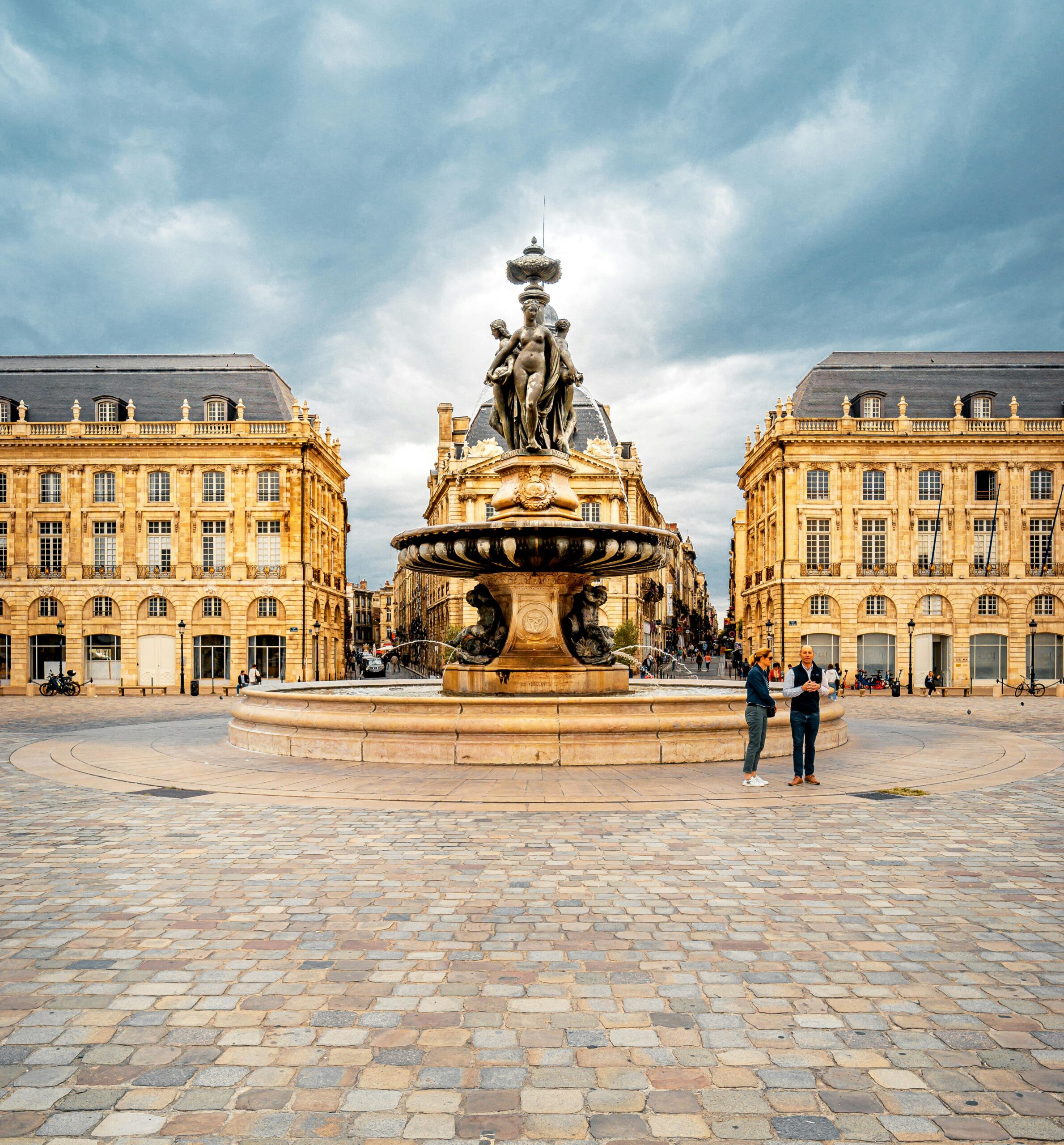
5-Day Bordeaux Wine Itinerary: Bordeaux, Médoc, Saint-Émilion & Graves
Introduction
Planning a 5-day Bordeaux wine itinerary often looks simple—until you start connecting the dots. Left Bank or Right Bank first? How many tastings are too many? Which areas deserve depth, and which should stay introductory? Without the right structure, it’s easy to rush iconic estates, waste hours in transit, or overwhelm your palate before the trip finds its rhythm.
This itinerary removes that friction. You move through Bordeaux city, Médoc, Graves, and Saint-Émilion in a sequence that mirrors how the wines themselves unfold—fresh and structured at the start, deeper and more expressive as the journey progresses. Every day is paced to protect your energy, sharpen your palate, and eliminate guesswork.
What this itinerary delivers:
- Smart routing that minimizes driving and decision fatigue
- A gradual progression from urban tastings to legendary châteaux
- Balanced tasting intensity to avoid palate burnout
- Evenings designed for reflection, not recovery
By the final glass, you won’t be wondering what you missed—you’ll understand exactly why this journey works.
Day-by-Day Itinerary
Day 1 — Bordeaux City Orientation & Introductory Tastings
The opening day of your 5-day Bordeaux wine itinerary is about orientation rather than intensity. Beginning in Bordeaux city allows your palate to calibrate before stepping into the vineyards.
Morning
You ease into Bordeaux through the Chartrons district, where antique-lined streets and discreet wine merchants reflect the city’s historic role in global wine trade. A slow walk along the riverfront provides geographic context and soft daylight—ideal for photography without crowds.
Afternoon
Urban tastings introduce Left Bank, Right Bank, and Graves styles side by side. This comparative approach sharpens your palate early, helping structure and balance stand out clearly in the days ahead. Nearby markets offer oysters and light seasonal bites that pair naturally with crisp Bordeaux whites.
Evening
Dinner focuses on classic Bordelais cuisine paired with restrained reds. A final nightcap in a quiet wine bar reinforces Bordeaux’s understated confidence rather than spectacle.
Day 2 — Médoc Grand Crus & the Power of the Left Bank
Today is dedicated to the Médoc, where scale, structure, and reputation define the experience. It’s placed early while your palate is still fresh and receptive.
Morning
Leaving the city behind, long vineyard drives and gravel soils signal the Left Bank’s identity. Tastings emphasize terroir, barrel ageing, and blending decisions rather than volume, grounding each wine in its landscape.
Afternoon
Pauillac’s power and Margaux’s elegance become unmistakable as tastings deepen. Lunch-style pairings slow the pace and help manage tannin intensity. Midday light highlights symmetrical vineyards and château façades for clean, architectural photos.
Evening
A nearby dinner minimizes travel and allows the day to unwind naturally. If included, a smaller family estate visit provides an intimate contrast after the grandeur of classified growths.
Day 3 — Graves & Pessac-Léognan: Balance, Whites, and Precision
Midway through your 5-day Bordeaux wine itinerary, this day resets the palate. Graves and Pessac-Léognan introduce nuance and freshness after the Médoc’s structure.
Morning
Vineyard walks reveal gentle slopes and mixed plantings. White Bordeaux tastings feel especially alive at this hour, highlighting minerality, restraint, and controlled oak influence.
Afternoon
Comparative tastings focus on texture and balance rather than scale. Food pairings are deliberate, allowing wines to express themselves without fatigue.
Evening
Back near Bordeaux, dinner is refined yet understated—designed to restore energy before the Right Bank’s depth.
Day 4 — Saint-Émilion: Limestone, History, and Right Bank Depth
Saint-Émilion comes once your understanding of Bordeaux is complete. The wines here feel more immediate, shaped as much by history as geology.
Morning
Limestone vineyard walks reveal how soil defines Merlot-driven wines. Morning light across the slopes offers some of the trip’s most striking photo opportunities.
Afternoon
The medieval village encourages unhurried wandering. Tastings at smaller estates emphasize philosophy and legacy rather than scale, deepening your appreciation of Right Bank character.
Evening
Dinner highlights mature vintages paired with earthy, regional dishes. A quiet walk through softly lit streets reinforces Saint-Émilion’s contrast with the Médoc’s grandeur.
Day 5 — Bordeaux Markets, Urban Tastings & Farewell Glasses
The final day circles back to Bordeaux city, closing the journey with clarity.
Morning
Local markets provide casual tastings, conversation, and a glimpse into everyday Bordelais life—an intentional counterpoint to château visits.
Afternoon
A final urban tasting brings everything together. Preferences crystallize naturally, making wine purchases confident rather than speculative.
Evening
A farewell glass by the river allows the experience to settle gently, ending the journey with intention rather than haste.
Why Visit Bordeaux?
- Unmatched wine diversity — Left Bank, Right Bank, and world-class whites exist within short driving distances.
- A city built around wine — Wine is woven into daily life, not staged for tourists.
- Visual contrast — Grand châteaux, medieval villages, riverfronts, and gravel vineyards keep each day distinct.
- Food designed for pairing — Regional cuisine enhances wine rather than competing with it.
- Strong infrastructure — Easy navigation and English-friendly estates reduce planning stress.
Where to Stay
Budget
- Central Bordeaux guesthouses — Affordable access to trams and wine bars.
- Chartrons apartments — Quiet, safe streets with strong local atmosphere.
- Saint-Émilion village inns — Limited amenities but unbeatable early-morning access.
- City-edge hotels — Trade walkability for lower nightly rates.
- Self-catering studios — Practical for travelers purchasing wine.
Mid-range
- Golden Triangle boutique hotels — Walkable and dining-rich without luxury pricing.
- Wine-merchant townhouses — Character-driven stays tied to Bordeaux’s history.
- Saint-Émilion countryside lodges — Space and calm without château-level costs.
- Graves-area hotels — Convenient for southern vineyard days.
- Serviced apartments — Comfort with flexibility for longer stays.
Luxury
- Château estate hotels — Immersive vineyard access and private tastings.
- Five-star Bordeaux riverfront hotels — Central, refined, and concierge-supported.
- Historic Saint-Émilion properties — Elevated Right Bank experience.
- Private vineyard villas — Maximum privacy and pacing control.
- Wine-focused spa resorts — Ideal for recovery between tasting days.
How to Get Around
- Private driver — Removes tasting limits and saves time.
- Self-drive rental — Flexible but requires discipline.
- Train to Saint-Émilion — Efficient for village-based visits.
- Trams in Bordeaux — Reliable and stress-free city transport.
- Guided wine tours — Best for education-focused travelers.
Cost & Budget Breakdown
- Accommodation range — Broad options allow tailored comfort.
- Tasting fees — Premium estates charge more for depth.
- Transport costs — Drivers cost more but prevent inefficiencies.
- Dining spend — Bistro dining offers excellent value.
- Wine purchases — Shipping or luggage planning matters.
Best Time to Visit
- Spring — Fresh vineyards and lighter crowds.
- Early summer — Long daylight for relaxed pacing.
- Harvest season — Atmospheric but requires planning.
- Late autumn — Quiet estates and reflective tastings.
- Winter — City-focused value with limited vineyard access.
What to Pack
- Comfortable walking shoes — Essential for cobblestones and cellars.
- Layered clothing — Temperature shifts between vineyards and cellars.
- Compact day bag — For notes, water, and purchases.
- Wine-safe luggage — Useful if carrying bottles.
- Neutral clothing — Fits refined tasting environments.
Best Photo & Instagram Spots
- Port de la Lune — Balanced reflections and skyline views.
- Médoc château drives — Strong symmetry and scale.
- Saint-Émilion viewpoints — Elevated village perspectives.
- Graves vineyard paths — Subtle, atmospheric landscapes.
- Chartrons streets — Authentic urban wine culture.
Local Etiquette & Cultural Intelligence
- Punctuality — Expected at all tastings.
- Spitting wine — Normal and respected.
- Curiosity — Questions matter more than opinions.
- Cellar behavior — Quiet voices and attention.
- Dining pace — Meals unfold slowly by design.
Safety Tips & Common Scams
- Wine shop legitimacy — Buy from reputable merchants.
- Market pickpocketing — Light vigilance only.
- Vineyard roads — Narrow and winding.
- Overbooking tastings — Leads to fatigue.
- Unofficial guides — Avoid unsolicited offers.
Travel Style Variations
- Luxury-focused — Château stays and private tastings.
- Balanced comfort — City base with selective estates.
- Budget-conscious — Urban tastings still deliver insight.
- Slow travel — Fewer regions, deeper connections.
- Collector-driven — Appointment-only visits prioritized.
Rainy-Day / Alternate Plans
- Wine museums — Educational and immersive.
- Extended cellar tastings — Weather-independent.
- Cooking classes — Wine-pairing focused.
- Historic interiors — Churches and covered markets.
- Wine shop consultations — In-depth learning.
Food & Drink Guide
- Oysters & white Bordeaux — Natural regional pairing.
- Duck & Merlot — Enhances texture and depth.
- Local cheeses — Designed for tannins.
- Market snacking — Maintains energy.
- Dessert wines — Best enjoyed intentionally.
FAQs
Is Bordeaux suitable for first-time wine travelers?
Yes. Clear appellations and strong infrastructure make it approachable.
Do tastings require reservations?
Most quality estates require advance booking.
Can I visit vineyards without a car?
The city is easy; vineyards are not.
Is Saint-Émilion walkable?
The village is compact, vineyards require transport.
Are English tours available?
Yes, at most major estates.
How many tastings per day is ideal?
Two to three maintains clarity.
Is wine shipping expensive?
Costs vary but are often worth it.
Are children allowed at estates?
Policies vary by château.
Can I buy rare vintages?
Availability is limited and controlled.
Is Bordeaux expensive?
Costs scale with choices.
Do restaurants need reservations?
Recommended, especially evenings.
Is French required?
Basic greetings are appreciated.
Final Tips & Conclusion
Bordeaux rewards travelers who respect pacing, geography, and restraint. When approached thoughtfully, each region reveals itself clearly, and each glass builds understanding rather than confusion. This itinerary is designed to deliver coherence, not excess—so you leave with confidence, context, and a lasting sense of place.
If you want, next we can:
External Links (Authoritative)
🖼️
Popular on Aerotripline
 Darjeeling Tea Gardens Itinerary: A Calm, Scenic 5-Day Hill Journey
 The Ultimate 6-Day Italy Itinerary for Luxury Travelers: Rome, Florence & Venice
 4 Day Rome Itinerary: A Perfectly Paced First-Time Experience
 7-Day Greece Itinerary: Athens, Santorini & Mykonos — Ferries, Sunsets, Beaches, Ancient Sites, Wineries & Island Tours
Leave a Reply