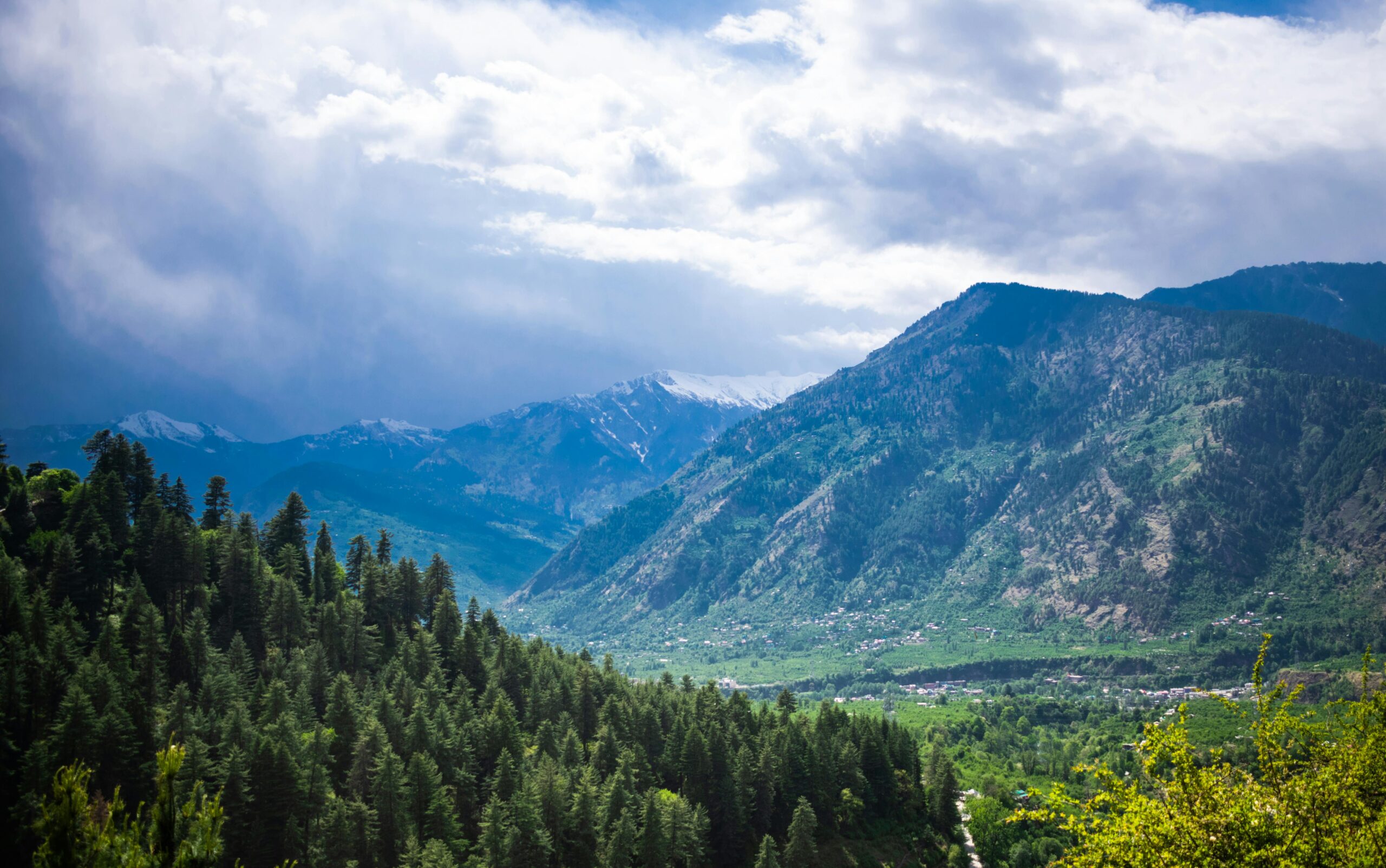
3-Night Manali Itinerary: The Ultimate Guide to Cafés and Adventure
Introduction
Planning a 3-night Manali itinerary often feels like a descent into logistical chaos, where the fear of missing a hidden trailhead or getting stuck in a gridlocked tourist trap outweighs the promise of mountain peace. You deserve a transition from the noise of the city to the cedar-scented air of the Beas Valley without the friction of uncertain scheduling. This itinerary eliminates the guesswork, replacing travel fatigue with a curated sequence of high-altitude thrills, refined café culture, and ancient heritage. Every transition is architected for optimal pacing, ensuring you move with the sun and stay ahead of the crowds.
- Geographic Fluidity: A route designed to minimize transit and maximize sensory immersion.
- Curated Gastronomy: Selective dining from riverside trout to artisanal Himalayan brews.
- Cultural Anchors: A balance of high-octane adventure and slow-burn heritage sites.
Step into a landscape where the peaks meet the clouds and your only responsibility is to breathe it in.
The Perfect 3-Night Manali Itinerary: Day-by-Day Guide
Day 1: The Art of the Slow Arrival in Old Manali
Your journey begins by shedding the weight of the world through a rhythmic introduction to the valley’s bohemian heart. This day is intentionally low-impact, allowing your pulse to sync with the mountain air while you navigate the cobblestone charm of the upper reaches. It is about texture—the feel of hand-woven wool, the steam of spiced tea, and the sound of the Beas River carving through ancient boulders.
The Morning Mist After settling into your retreat, ease into the day with a deliberate stroll along the Jogini Road. The riverside path offers a soft, meditative entry to the landscape, leading you to the rustic gates of Café Lazy Dog or Drifter’s. Here, breakfast is a hearty affair of Himalayan-style eggs and local preserves served in the crisp morning light. Spend your remaining hours navigating the boutique stalls of Old Manali Bazaar. This is your window to source high-quality cedar oils and artisanal woolens before the afternoon rush. For a subtle local insight, ask for a cup of salted butter tea or a steaming kehwa to ground your senses in the high-altitude climate.
The Golden Afternoon Transition toward the vibrant pulse of Mall Road as the sun reaches its zenith. This is the time for sophisticated people-watching and hunting for authentic pashminas or rare Himalayan spices in the spice stalls. Lunch at Johnson’s Café provides a refined vantage point with continental flair, or you can head to Café 1947 for wood-fired pizza accompanied by the roar of the river. Post-lunch, slip into Manu Market to discover local honey that tastes of wild flora. Capture your first major photo opportunity at Corner House; the way the light hits the Pir Panjal peaks during tea time creates a dramatic, cinematic backdrop that no filter can replicate.
The Twilight Glow As the temperature dips, find warmth in the ancient traditions of Vashisht. Submerging in the village’s natural hot springs is a transformative experience that prepares the body for the days of exploration ahead. Follow this with a moonlit walk through the narrow, lantern-lit lanes of the village, stopping at a terrace bar like The Lazy Llama. If you are seeking a luxury upgrade, book a private riverside table for a dinner of pan-seared trout paired with locally brewed apple cider. The night concludes with the distant sound of temple bells and the cool, restorative breeze of the valley floor.
Day 2: High-Altitude Thrills and Heritage Valleys
We shift the energy from relaxation to elevation, utilizing the early morning clarity for peak adventure before retreating into the sophisticated history of the Kullu Valley. This day creates a perfect “pendulum swing” between the adrenaline of the skies and the quiet dignity of 16th-century stone architecture.
The Vertical Morning Rise with the sun for an early drive to Solang Valley, beating the mid-day excursion traffic. This is your window for a tandem paragliding flight; drifting over the Pir Panjal range provides a perspective of the Himalayas that few ever truly see. For those who prefer to stay grounded, the ATV trails offer a rugged, tactile way to explore the valley floor. Pause at a riverside kiosk for hot masala chai and sliced local apples—a simple but essential Himalayan fuel. Pro tip: If the weather is clear, this is the best time for wide-angle landscape photography as the shadows in the valley are at their most defined.
The Aristocratic Afternoon Trade the wind-whipped peaks for the silent corridors of Naggar Castle. This medieval stone structure offers a peaceful cultural interlude where you can wander through sun-drenched courtyards and admire the Nicholas Roerich Art Gallery’s ethereal mountain paintings. Lunch is a leisurely event at the Naggar outpost of The Lazy Dog, featuring traditional Himachali thalis that celebrate local grains and fermented greens. As you return toward Manali, the route winds through sprawling apple orchards. In the late afternoon, the light turns a soft, liquid gold—ideal for capturing the contrast between the green boughs and the snow-capped horizon.
The Celestial Evening Return to the river’s edge for a night centered on reflection and starlight. Dinner at the Orchard Café allows for a sophisticated menu of baked trout or warming stews under a sprawling sky. If you are in the mood for local social life, check for open-mic sessions or live acoustic sets at Johnson’s Annex, where the valley’s creative community often gathers. For a budget-friendly but high-value alternative, simply find a riverside bench near the Beas with a flask of hot chocolate. The mountain silence at this hour is profound, offering a rare moment of clarity before the final day of exploration.
Day 3: Sacred Cedars and Hidden Cascades
Today is about the soul of the valley, moving through sacred spaces and ancient forests that feel disconnected from time. It is a day of soft trekking and spiritual observation, designed to provide a deep sense of place through the region’s unique wooden architecture and Buddhist heritage.
The Sacred Morning Start your day beneath the towering deodars of the Hadimba Devi Temple. The intricate wood carvings and the scent of cedar smoke create an atmosphere of ancient mystery; try to arrive early to witness the quiet local rituals before the site becomes a hub of activity. A short walk leads you to the Himalayan Nyingmapa Buddhist Monastery, where the vibrant thangka paintings and rhythmic midday chants provide a sensory contrast to the forest. Breakfast in the Log Huts area offers a quieter, more upscale vibe—savor house-brewed coffee and walnut pastries while looking out over the panoramic Raison road viewpoints.
The Forest Trail Head west toward Gulaba for a crisp nature walk through dense forests that feel like a scene from a classic alpine film. This area is less about “sights” and more about the “feel”—the crunch of pine needles and the scent of wild herbs. Stop at a roadside stall for warm apple fritters, a local delicacy that tastes best in the chilly mountain air. For lunch, return to the Manu Market Lane for a bowl of rajma chawal, the ultimate comfort food of the hills. If you want a luxury touch, arrange for a private picnic setup near the Raison riverbank, complete with local cheeses and sparkling cider.
The Cascading Dusk The afternoon culminates with a gentle hike to the Jogini Falls. The trail is manageable and rewards you with a spectacular view of the water thundering down the rock face. As evening descends, the Farmer’s Market in Old Manali beckons with artisanal chocolates and craft beers at The Corner House Brewery. This is your final chance to soak in the “Manali mood”—a blend of rugged outdoor life and sophisticated leisure. End the night by a riverside fire pit, listening to the Beas murmur its final stories of the trip under a canopy of Himalayan stars.
Day 4: The Lingering Farewell
The final morning is dedicated to the “gentle exit.” Rather than rushing to a transfer, we utilize these hours for meaningful last-minute acquisitions and a final, deep breath of mountain air to sustain you for the journey home.
The Leisurely Morning Enjoy a slow, late breakfast on the terrace of Johnson’s Café Annex, lingering over apple pancakes as the valley wakes up. This is the perfect time for a final stroll through the Tibetan Market; look for handcrafted prayer flags or small brass trinkets that serve as tactile memories of the mountains. A quick visit to the Vashisht viewpoint offers one last panoramic sweep of the Pir Panjal ridgeline—a mandatory final photo op to bookmark your experience. It is a morning of high-value simplicity, ensuring you leave the valley feeling restored rather than depleted.
The Quiet Departure Spend your final hours in the quieter corners of New Manali, browsing artisanal stores on the Mall Road Extension for last-minute gifts of local honey or high-end woolens. If your transfer allows, a final riverside tea at a picnic café near the Raison riverbank provides a serene bookend to the trip. Collect your luggage and transition toward your departure point with the scent of pine and the sound of the river still fresh in your mind. You aren’t just leaving a destination; you are carrying the steady, grounding rhythm of the Himalayas back into your world.
Essential Planning for Your 3-Night Manali Itinerary
Why Visit Manali?
Manali serves as the high-altitude gateway to the Himalayas, offering a unique intersection of ancient Himachali culture and a burgeoning modern social scene. It is one of the few destinations where you can start your morning paragliding over glacial valleys and end your evening in a world-class jazz café by a roaring river. The town provides an accessible entry point for those seeking the raw beauty of snow-capped peaks without sacrificing the comforts of luxury boutiques and refined gastronomy.
Where to Stay
- Luxury: The Log Huts Area – Located away from the central noise, these high-end cottages and resorts provide the most privacy and the best views of the pine forests, making them perfect for those who value quietude and premium service.
- Mid-Range: Old Manali – Staying in this district puts you in the heart of the boutique café scene and artisan markets, offering a vibrant social atmosphere and character-rich guesthouses that are safe and highly walkable.
- Budget: Vashisht – Known for its backpacker-friendly hostels and homestays, this area provides an authentic village feel and access to natural hot springs while remaining light on the wallet.
- Strategic Choice: Mall Road Vicinity – Best for those who prioritize transport links and immediate access to the central bus station and mainstream shopping, though it trades off the quiet mountain vibe for convenience.
- Experience Trade-off: Riverside Resorts – While these offer the soothing sound of the Beas River, they often require a private vehicle for transit into town, so consider your mobility needs before booking.
Compare the best-rated stays and secure your mountain retreat by checking current availability here.
How to Get Around
- Private Hired SUV – This is the most efficient way to reach distant spots like Naggar or Gulaba, providing the flexibility to stop at scenic viewpoints that public transport simply bypasses.
- Auto-Rickshaws – Perfect for quick hops between Old Manali and the main Mall Road, these are readily available and navigate the narrow, winding lanes much faster than larger cars.
- Walking – Old Manali and the forest trails around Hadimba Temple are best experienced on foot to fully absorb the cedar scents and discover hidden riverside paths.
- Local Buses – A highly affordable option for reaching the Naggar or Kullu regions, allowing you to travel like a local while enjoying the dramatic valley views from a higher vantage point.
- Scooter Rentals – For the independent traveler, renting a scooter offers total freedom to explore the Raison road at your own pace, though it requires confidence on steep, hairpin turns.
To ensure a seamless journey, we recommend pre-booking your private airport or bus station transfer.
Cost & Budget Breakdown
- Luxury Daily Spend – Expect to spend significantly on private SUV tours, fine-dining trout specialties, and high-end spa treatments, offering a frictionless and pampered mountain experience.
- Mid-Range Daily Spend – This covers comfortable boutique stays, café hopping, and a mix of walking tours and occasional taxi hires for a balanced, high-value trip.
- Budget Daily Spend – By utilizing hostels in Vashisht, eating at local dhabas, and using public buses, you can enjoy the valley’s beauty for a fraction of the cost.
- Activity Fees – Adventure sports like paragliding and ziplining in Solang are premium costs, so it is wise to set aside a specific “adrenaline fund” to avoid budget stress.
- Shopping & Souvenirs – Authentic pashminas and saffron are investment pieces; always carry a bit of extra cash for high-quality woolens found in the artisan markets.
Best Time to Visit
- Spring (March to June) – The most popular window, offering pleasantly cool weather and blooming orchards, ideal for all outdoor adventure activities and long café afternoons.
- Monsoon (July to September) – The valley turns a lush, dramatic green, though travel is slower due to rain; it is the perfect time for those seeking solitude and misty, cinematic landscapes.
- Autumn (October to November) – Crisp air and golden foliage make this the best time for photography and clear, unobstructed views of the high Himalayan peaks.
- Winter (December to February) – A snowy wonderland ideal for skiing and cozying up by café fireplaces, though some high-altitude roads may be restricted.
- Off-Peak Advantage – Visiting just before or after the peak summer rush ensures lower hotel rates and a much quieter experience at major landmarks like Hadimba Temple.
What to Pack
- Layered Clothing – Mountain weather shifts rapidly; having thermals, a mid-layer fleece, and a waterproof outer shell ensures you stay comfortable from sunrise to the chilly night.
- Sturdy Walking Shoes – Whether navigating Old Manali’s cobblestones or the trail to Jogini Falls, high-traction footwear is essential for safety and comfort.
- Sun Protection – The high-altitude sun is deceptively strong; high-SPF sunscreen, polarized sunglasses, and a wide-brimmed hat are non-negotiable for outdoor days.
- Personal Apothecary – Include motion sickness medication for the winding roads and basic altitude sickness remedies to help you acclimatize faster.
- Portable Power Bank – Cold weather drains phone batteries faster, and you will want constant power for the endless photo opportunities in the valley.
Best Photo & Instagram Spots
- Jogini Falls – Capture the dramatic white water cascading against dark rocks; the morning light here creates a soft, ethereal glow perfect for portraits.
- Naggar Castle Courtyard – The intricate woodwork and stone architecture provide a timeless, regal backdrop with sweeping views of the Kullu Valley in the distance.
- Old Manali Riverside – The large boulders and rushing water of the Beas near Café 1947 offer a rugged, “wild” aesthetic that defines the Manali vibe.
- Hadimba Temple Forest – The sunlight filtering through the massive, ancient cedar trees creates a “God-ray” effect that is ideal for moody, atmospheric shots.
- Solang Valley Take-off Point – For a high-action shot, capture paragliders against the backdrop of the snow-clad Pir Panjal range during the bright mid-morning hours.
Local Etiquette & Cultural Intelligence
- Temple Decorum – Always remove shoes before entering temple premises and dress modestly; covering shoulders and knees shows respect for local spiritual traditions.
- Photography Consent – While the locals are friendly, always ask before taking photos of people or their homes to maintain a respectful and positive relationship.
- Environmental Stewardship – Manali faces plastic waste challenges; carry a reusable water bottle and never leave trash on the trekking trails to help preserve the ecosystem.
- Religious Circumambulation – When visiting Buddhist monasteries or stupas, always walk in a clockwise direction as a sign of respect for the faith.
- Dining Customs – Tipping is appreciated but not mandatory; however, leaving a small gratuity for exceptional service in the local cafés goes a long way.
Safety Tips & Common Scams
- Adventure Licensing – Only book paragliding or rafting through government-approved operators to ensure equipment is maintained and pilots are certified.
- Taxi Rates – Always confirm the fare or use the official union rate list before starting your journey to avoid inflated prices at the end of the trip.
- Acclimatization – Avoid heavy physical exertion on your first day; letting your body adjust to the altitude prevents headaches and fatigue later in the trip.
- Counterfeit Goods – Be wary of “pure pashmina” sold at suspiciously low prices on the street; stick to government emporiums or established boutiques for authentic woolens.
- Night Navigation – While Manali is generally safe, stick to well-lit areas in Old Manali at night as the mountain terrain can be tricky to navigate in the dark.
Travel Style Variations
- The Romantic Escape – Focus on private candlelit dinners by the river, late mornings in the Log Huts, and slow sunset walks in the Naggar orchards.
- The Solo Adventurer – Prioritize hostel stays in Vashisht, the Jogini Falls trek, and joining group paragliding sessions to meet fellow travelers.
- The Family Vacation – Focus on the Solang Valley ATV rides, the Van Vihar park, and choosing hotels near Mall Road for easy access to amenities.
- The Digital Nomad – Stick to Old Manali cafés with high-speed Wi-Fi and long-stay guesthouses that offer quiet workspaces with mountain views.
- The Culture Seeker – Dedicate extra time to the Nicholas Roerich gallery, local monastery chants, and traditional Himachali food tours.
Rainy-Day / Alternate Plans
- Museum Immersion – Spend a rainy afternoon at the Museum of Himachal Culture & Folk Art to see traditional masks, garments, and musical instruments.
- Café Marathon – Use the rain as an excuse to settle into a cozy corner of a riverside café with a book and a pot of local apple tea.
- Indoor Hot Springs – Many hotels in the Vashisht area offer private, indoor hot spring baths, allowing you to soak while watching the rain over the valley.
- Monastery Visits – The Buddhist monasteries provide a peaceful, sheltered environment where you can observe the intricate murals and spinning prayer wheels.
- Traditional Cooking Class – Book a local experience to learn how to make Siddu or trout dishes in a sheltered, home-style kitchen setting.
Food & Drink Guide
- Trout Specialties – Freshly caught from the Beas, this is the region’s signature dish; try it pan-seared with lemon butter for the best flavor.
- Siddu – A local steamed bread stuffed with poppy seeds or walnuts, usually served with a generous dollop of ghee; it is the ultimate Himachali comfort food.
- Himachali Thali – A traditional platter featuring rajma, kadhi, and local greens, offering a comprehensive taste of the valley’s agricultural heritage.
- Artisanal Apple Cider – With Manali being the land of orchards, the local non-alcoholic and fermented ciders are refreshing and culturally iconic.
- Mountain Desserts – Don’t miss the walnut pastries and warm apple pies found in the small bakeries of Old Manali; they are perfect for chilly evenings.
Discover the best culinary tours and café experiences by browsing our curated list of Manali food walks.
FAQs
- How many days are enough for Manali? A 3-night itinerary is perfect for a weekend getaway, covering the main attractions like Solang, Old Manali, and Naggar without feeling rushed.
- Is Manali safe for solo female travelers? Yes, Manali is widely considered safe; however, it is always best to stay in populated areas like Old Manali and avoid trekking alone on isolated trails.
- Do I need a permit for Rohtang Pass? Yes, a permit is required and should be booked in advance online, though this itinerary focuses on accessible areas like Solang and Gulaba.
- Is the water safe to drink? It is recommended to drink filtered or bottled water; many cafés offer UV-filtered water which is a more sustainable choice than plastic bottles.
- What is the local language? Hindi is spoken by everyone, and English is widely understood in the tourist areas.
- Are there ATMs in Manali? Yes, there are plenty of ATMs on Mall Road, but they can occasionally run out of cash during peak season.
- Is there high-speed internet? Most cafés in Old Manali offer decent Wi-Fi, though it can be intermittent during heavy storms.
- What should I wear for paragliding? Wear comfortable pants and a windbreaker; even on sunny days, the air at higher altitudes can be quite cold during the flight.
- Can I see snow in the summer? While snow disappears from the town, you can often find patches of it at higher altitudes like Rohtang Pass.
- Are credit cards accepted? Major hotels and upscale cafés accept cards, but local markets and smaller dhabas are strictly cash-only.
- What is the best way to reach Manali? Most travelers take an overnight luxury bus from Delhi or Chandigarh, or fly into Bhuntar Airport.
- Do I need to tip? Tipping is not mandatory in India, but a 10% tip at restaurants is standard practice for good service.
Final Tips & Conclusion
Manali is a destination that rewards the curious and the slow-paced. While it is tempting to tick every box on the map, the true magic of the valley is found in the quiet moments—the sound of the river, the smell of the pine forest, and the steam rising from a fresh cup of kehwa. By following a structured 3-night Manali itinerary, you ensure that you experience the highlights without the stress of logistics. Pack your layers, keep an open heart for the local culture, and let the mountains provide the clarity you’ve been seeking.
Himachal Tourism Official Site: https://himachaltourism.gov.in/
AAI Bhuntar Airport Page: https://www.aai.aero/en/airports/kullu-manali
Popular on Aerotripline
 7-Day Uttarakhand Itinerary: The Ultimate Rishikesh Yoga and Auli Skiing Guide
 Luxury Ladakh Itinerary: 5-Day Cinematic Journey Through Leh & Pangong
 Darjeeling Tea Gardens Itinerary: A Calm, Scenic 5-Day Hill Journey
Vietnam in 6 Days: A High-End Itinerary Through Hanoi, Halong’s Karsts & Lantern-Lit Hoi An
Darjeeling Tea Gardens Itinerary: A Calm, Scenic 5-Day Hill Journey
Vietnam in 6 Days: A High-End Itinerary Through Hanoi, Halong’s Karsts & Lantern-Lit Hoi An
Leave a Reply