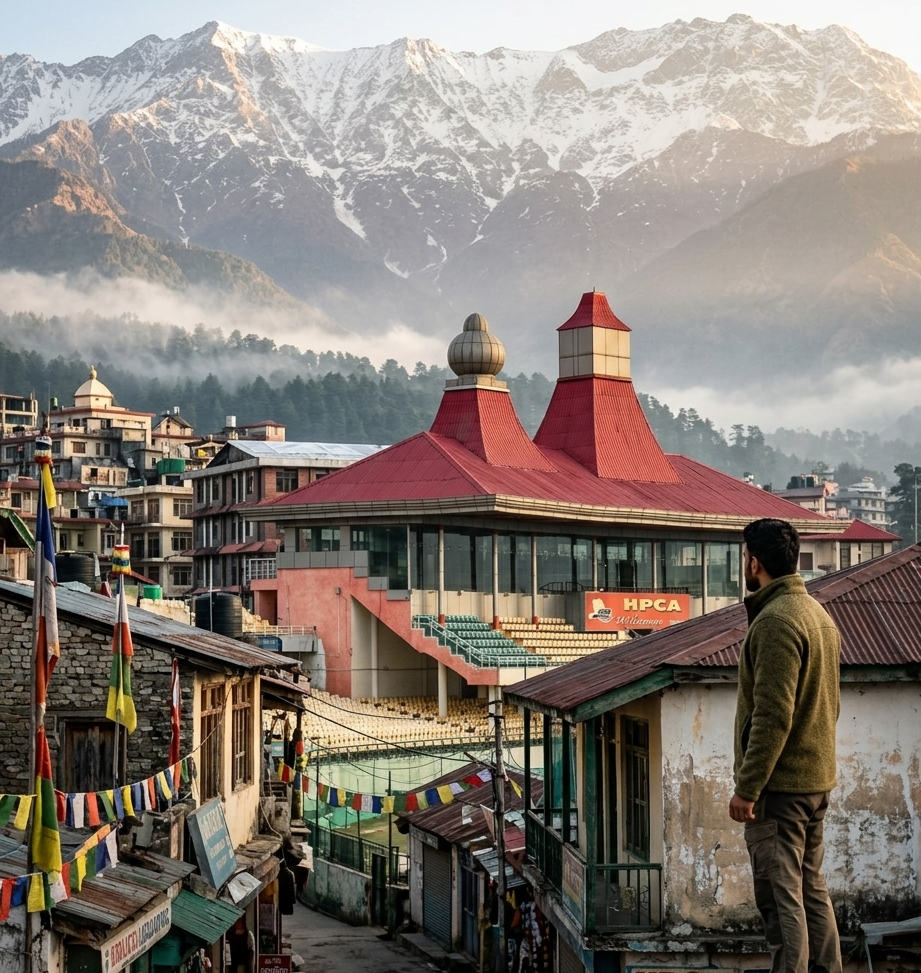
5 Day Dharamshala & McLeod Ganj Itinerary with Triund Trek
Introduction
You want Dharamshala and McLeod Ganj to feel grounding, not scattered—yet planning quickly becomes messy. Spiritual sites blur together, trekking days get placed wrong, and altitude fatigue sneaks in when pacing is off. One poor sequencing choice can turn what should feel meditative into something rushed and disjointed.
This itinerary removes that friction. You move through Dharamshala, McLeod Ganj, Bhagsu, and Triund with clarity, easing your body into the altitude before rising toward the mountains. Each day is intentionally placed so energy builds, not drains, and moments of stillness balance exploration.
What this journey gives you:
- A calm arrival and cultural grounding before deeper immersion
- Monasteries and markets sequenced for natural flow
- Low-impact walking days before the Triund hike
- Thoughtful café pauses and recovery windows
- A trek day that feels earned, not exhausting
As the days unfold, the noise softens, the mountains draw closer, and by the time you stand on Triund’s ridge, the path there feels inevitable. Keep scrolling—the rhythm matters.
Day-by-Day Itinerary
Day 1 — A Gentle Arrival into Dharamshala & McLeod Ganj’s Spiritual Pulse
This first day is about slowing your nervous system and letting the landscape introduce itself. You arrive, breathe, and observe—nothing demanding, nothing rushed—allowing the Himalayas to set the tempo for everything that follows.
Morning
You ease into the day with a quiet orientation walk, shaded lanes opening toward Tibetan institutions and craft spaces. The air carries incense and pine, and the valley views quietly recalibrate your sense of scale. This is acclimatization disguised as curiosity, grounding you before any deeper exploration.
Afternoon
Energy lifts as you drift into McLeod Ganj’s main square, where Tibetan life hums without urgency. Market stalls offer texture and color, cafés spill onto terraces, and the mountains remain always in your peripheral vision. A late chai pause becomes a natural reset rather than a planned stop.
Evening
As light fades, you step into a prayer complex where chants echo softly against stone. The atmosphere invites stillness without demanding belief. Dinner is warm and local, best enjoyed slowly, as the valley lights begin to flicker below—your first quiet confirmation that this pace works.
Day 2 — Monasteries, Exile Culture & the Inner Life of McLeod Ganj
Today deepens your understanding. With your body acclimatized, you move inward—into spaces shaped by faith, philosophy, and resilience—without sensory overload.
Morning
Morning prayers unfold with rhythmic calm, prayer wheels spinning under soft light. You wander through library-lined streets where books, conversations, and ideas feel as present as the mountains themselves. The morning rewards patience, offering moments that feel intimate rather than touristic.
Afternoon
Artisan campuses and cultural institutions fill the afternoon, revealing how tradition adapts without losing integrity. You learn through observation—woodcarving, embroidery, quiet museum rooms—punctuated by an unhurried lunch that invites reflection rather than distraction.
Evening
As dusk settles, you enter smaller, quieter spaces—meditation halls or rehearsal rooms—where cultural expression feels lived-in, not performed. Dinner is relaxed and conversational, lantern-lit streets guiding you back with ease rather than effort.
Day 3 — Bhagsu Walks, Waterfall Paths & Café-Time Recovery
This day deliberately softens the pace. It prepares your body for elevation while letting curiosity lead through nature and village life.
Morning
A gentle uphill walk brings you toward Bhagsu, where trails feel informal and personal. The waterfall reveals itself gradually, mist catching morning light, inviting you to pause rather than photograph endlessly. You linger because you can.
Afternoon
Lunch blends seamlessly into café-hopping, the sound of water nearby and hikers drifting past. Village paths lead to shaded temple grounds where time stretches. This is active rest—movement without strain, discovery without pressure.
Evening
As twilight arrives, you climb just enough to earn a viewpoint where the valley begins to glow. Tea stalls become social anchors, and live music or rooftop dinners close the day with warmth. You sleep well tonight—your body quietly ready for more.
Day 4 — The Triund Ridge Hike: Earning the View
This is the peak experience, placed precisely where it belongs—after preparation, not before. The hike feels challenging but clean, purposeful, and deeply rewarding.
Morning
You begin early, the trail rising through pine forests as the world slowly brightens. Each step feels intentional, the air crisp, your rhythm steady. Reaching the ridge, the mountains open fully—vast, silent, and undeniably worth the climb.
Afternoon
You descend unhurriedly, savoring the contrast between alpine openness and forest shelter. Lunch tastes better after effort, and the return to Dharamkot feels restorative rather than draining. Optional wellness pauses turn recovery into a ritual.
Evening
Dusk paints the sky softly as you sip something warm at a hillside café. Stories surface naturally, fatigue feels earned, and dinner is simple and satisfying. The stars appear clearly tonight—an unspoken reward for trusting the route.
Day 5 — Markets, Slow Wanders & a Calm Closure
The final day lands gently, letting you close the journey without scrambling or regret.
Morning
You wake without alarms, lingering over breakfast as sunlight spills across the valley. Handloom shops and local stalls offer tactile memories—soft wool, carved wood, familiar faces from earlier days.
Afternoon
Tea tastings and garden cafés stretch the afternoon, giving you space to reflect rather than rush. Packing feels unhurried, logistics handled calmly, the journey already settling into memory.
Evening
A last riverside walk and quiet dinner seal the experience. Nothing is forced, nothing feels unfinished. You leave not exhausted, but aligned—carrying the mountains with you long after the road pulls away.
Why Visit Dharamshala & McLeod Ganj?
Dharamshala and McLeod Ganj offer something increasingly rare: a destination where inner stillness and dramatic landscape coexist without performance. This is not a place you rush through or “cover” with a checklist. It’s a place you sink into.
Here, Tibetan monastic life unfolds in real time, cafés double as intellectual salons, and the Dhauladhar range looms close enough to shape your mood daily. You move seamlessly between prayer halls, forest trails, waterfalls, and ridge hikes—without long drives or logistical friction.
What makes this region special is its natural sequencing: gentle acclimatization, cultural immersion, slow nature days, and a single, earned high-altitude experience at Triund. It suits travelers who value meaning, pacing, and atmosphere over spectacle.
You leave not just rested, but recalibrated.
Where to Stay (Area Logic)
McLeod Ganj (Core Base)
- Best for walkability to monasteries, cafés, markets, and cultural institutions
- Ideal for the first half of the trip when exploration is gentle and layered
- Look for upper-lane properties to reduce street noise
- Boutique guesthouses and quiet hotels work better than large resorts
Dharamkot (Trek-Optimized Stay)
- Strategically placed for Triund access
- Cooler, quieter, and more nature-facing
- Excellent for recovery and sleep before and after the hike
- Homestays and small lodges offer the most authentic experience
Luxury upgrade: A hillside boutique retreat with valley-facing balconies
Budget-smart option: Well-reviewed family-run guesthouses with heating and views
How to Get Around
- On foot: Primary mode within McLeod Ganj, Bhagsu, and Dharamkot
- Short taxis: Only when shifting base or conserving energy before the trek
- No intercity travel: Once you arrive, movement is hyper-local and efficient
This is a destination designed for slow mobility, not transit-heavy sightseeing.
Cost & Budget Breakdown (Indicative)
- Stay: Budget to mid-range guesthouses dominate; luxury is limited but meaningful
- Food: Excellent value—cafés and Tibetan kitchens offer quality without excess
- Transport: Minimal local costs due to walkability
- Experiences: Mostly free or donation-based (monasteries, viewpoints)
Overall, this trip delivers high experiential return without luxury inflation.
Best Time to Visit
The region is best when:
- Skies are clear
- Trails are dry
- Views of the Dhauladhar range are reliable
Avoid periods of heavy rainfall or peak snow unless trekking is not a priority.
What to Pack
- Layered clothing (temperatures fluctuate sharply)
- Comfortable walking shoes + proper hiking shoes for Triund
- Light down or insulated jacket
- Refillable water bottle
- Sunscreen and lip balm (high-altitude sun)
- Small backpack for day walks
- Headlamp or torch for early starts
Best Photo & Viewing Spots
- Early morning at monastery courtyards (soft light, fewer visitors)
- Bhagsu Waterfall before midday for mist and contrast
- Ridge viewpoints above Dharamkot at sunset
- Triund ridge shortly after sunrise for depth and clarity
- Evening valley views from upper McLeod Ganj cafés
Photography here rewards timing over equipment.
Food & Café Culture Guide
- Tibetan kitchens for thukpa, momos, butter tea
- Bakeries and espresso cafés clustered around Bhagsu and Dharamkot
- Slow lunches outperform dinner here—save evenings for light meals
- Herbal teas and ginger infusions are ideal post-trek
Luxury tip: Choose cafés with views over menus—ambience matters more than novelty.
Local Etiquette & Cultural Awareness
- Dress modestly around monasteries
- Ask before photographing monks or rituals
- Silence phones inside prayer spaces
- Walk clockwise around prayer wheels
- Respect meditation sessions even if open to visitors
Quiet observation earns far more than interaction here.
Safety & Practical Tips
- Acclimatize properly before attempting Triund
- Stay hydrated even when temperatures feel cool
- Avoid trekking in poor visibility
- Stick to marked trails
- Carry cash—ATMs can be unreliable
This is a safe region, but mountains demand respect.
Travel Style Variations
Luxury-leaning:
- Boutique hillside stays
- Private taxi transfers between bases
- Guided Triund hike with flexible pacing
Budget-conscious:
- Central guesthouses
- Entirely walk-based movement
- Self-guided trekking
Both styles work—the experience scales gracefully.
Rainy-Day / Alternate Plans
- Extended café sessions and reading rooms
- Museums and cultural institutes
- Guided meditation or philosophy talks
- Short forest walks below cloud line
Weather rarely ruins the trip—it simply redirects it inward.
FAQs
Is Triund suitable for beginners?
Yes, with basic fitness and proper pacing.
Can this trip be done without trekking?
Yes—Triund can be skipped without weakening the overall journey.
Is Dharamshala crowded?
Only in pockets; early mornings and upper areas remain calm.
Is this trip family-friendly?
Best for adults or older children comfortable with walking.
Final Tips & Conclusion
This journey works because it respects order, energy, and restraint. Nothing is rushed. Nothing is stacked unnecessarily. Each day earns the next.
If you follow the rhythm—arrive gently, immerse thoughtfully, walk slowly, hike once, and close calmly—Dharamshala and McLeod Ganj reveal themselves not as a destination you visited, but one that quietly stayed with you.
That’s the difference between seeing the mountains and letting them work on you.

Leave a Reply