
7-Day Uttarakhand Itinerary: The Ultimate Rishikesh Yoga and Auli Skiing Guide
Introduction
Planning a winter expedition through the Garhwal Himalayas often feels like a choice between two extremes: the spiritual stillness of the Ganges or the adrenaline of the high-altitude slopes. Without a calibrated 7-day Uttarakhand itinerary, the ten-hour ascent can shatter your state of Zen, leaving you more fatigued than fulfilled. This guide eliminates the logistical friction, offering a masterfully paced bridge between the soul-stirring rituals of Rishikesh and the jagged, snow-dusted peaks of Auli. By anchoring your journey in three days of somatic grounding before ascending to the alpine heights, we ensure your body and mind are primed for the thin, crisp air of the Himalayas.
Expect a journey defined by:
- Tactical Pacing: A curated transition from the river plains to the timberline that respects your biological clock.
- Dual Landscapes: A seamless fusion of ancient Vedic ashrams and state-of-the-art alpine cable cars.
- Hyper-Local Access: Exclusive entries into weaver hamlets and hidden meditation caves far beyond the standard tourist trail.
Step away from the planning fatigue and into a sequence designed for absolute clarity. Your Himalayan transformation begins at the water’s edge.
Day-by-Day Itinerary
Day 1: The Descent into Stillness and River Rhythms
Arrival in Rishikesh is less about a destination and more about a frequency shift. This opening day is strategically designed to decompress your nervous system, allowing the residual hum of travel to be replaced by the rhythmic pulse of the Ganges. By centering your first few hours in Tapovan, you bypass the crowded main bridges, finding a sanctuary of quiet ashrams and artisanal tea spots.
- Morning: Gentle Integration in Tapovan – Settle into the “Yoga Capital” with a late, leisurely breakfast at the iconic Little Buddha Café. After fueling up, wander the winding, sun-dappled lanes to a local ashram for a private pranayama session.
- Afternoon: Panoramic Vistas and Sacred Silhouettes – Take a short drive to the Neelkanth Mahadev viewpoint, where the scale of the Shivalik hills reveals itself. Return to the banks for a visit to the Yog Niketan lawns for a gentle Hatha flow.
- Evening: The Symphony of Triveni Ghat – Experience the powerful collective energy of the sunset yoga session. After practice, retreat to the Ganga View Terrace for a bowl of warming kitchari—the ultimate Ayurvedic comfort food.
Day 2: Sacred Geometry and Sound Immersion
Today is about depth. Having grounded yourself, Day 2 explores the meditative heritage of Rishikesh through sound, movement, and hidden geography. The energy today is introspective and restorative, preparing your lungs and spirit for the higher altitudes of Auli.
- Morning: Sunrise Kriya and Mantra Meditation – Wake before the sun for a Kriya session at the Sattva Retreat. Follow the sound of chanting to Gita Bhawan to join practitioners in mantra meditation.
- Afternoon: Nautical Silence and Cave Sanctuaries – Escape the bustle with a private rowboat journey across the Ganges to the Vashistha Gufa, a natural cave known for its immense silence.
- Evening: The Healing Resonance of Swarg Ashram – The day culminates in a profound Yin Yoga and sound-bath session within the courtyard of Swarg Ashram, using Tibetan singing bowls to clear mental clutter.
Day 3: The Great Himalayan Ascent
The transition from the lush river valleys to the rugged alpine heights of Auli is a journey through changing ecosystems. Today is a logistical masterpiece, breaking the long drive with sacred confluences and crisp mountain air.
- Morning: The Confluence of Souls – Depart early for the 7-day Uttarakhand itinerary’s most scenic drive. A mandatory stop at Devprayag offers a breathtaking view of the Alaknanda and Bhagirathi rivers merging.
- Afternoon: First Tracks and Alpine Orientation – Arrive in Auli and head straight to the gear outfitters. Whether you are a seasoned skier or a curious novice, the introductory session on the lower slopes is about acclimatization.
- Evening: Après-Ski and Starlit Ridges – Join an informal gathering on a heated terrace to swap stories over cups of spiced kahwa. Conclude the night with a guided indoor breathwork session.
Day 4: The Peak Experience and Snowfield Secrets
Today, the adrenaline of winter sports meets the serenity of alpine meadows. You are now fully immersed in the high-altitude lifestyle. The focus is on exploration—both on the groomed slopes and the untouched powder of the upper bugyals.
- Morning: Carving the Blue Slopes – Catch the first light on the groomed runs of the Auli Ski Resort. For those seeking a slower pace, the Auli-Gorson Gondola provides a bird’s-eye view of the entire valley.
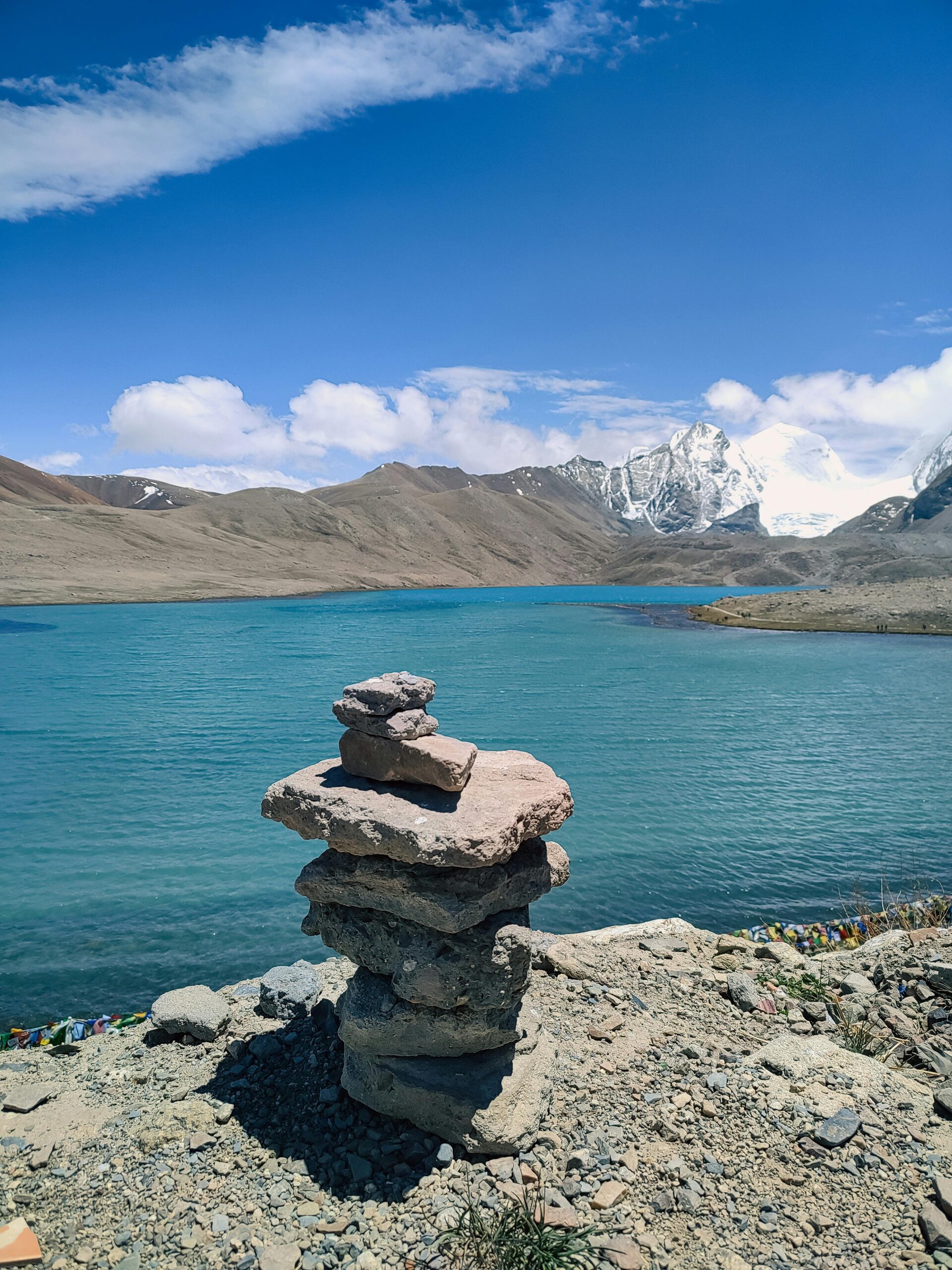
- Afternoon: Heli-Hikes and Frozen Tarns – Engage in a “heli-hike” style trek along the upper moraine toward frozen mountain lakes that shimmer like turquoise glass amidst the white landscape.
- Evening: Garhwali Flavors and Lantern Light – Dinner tonight is a celebration of local heritage. Feast on baadi and gahat dal, followed by a lantern-lit walk to the Tip N Top viewpoint.
Day 5: High Valleys and Heritage Weaves
We shift focus today from the slopes to the soul of the mountains: the people. This day is a cultural immersion into the Niti Valley region, exploring the stone-and-wood villages that have survived centuries of Himalayan winters.
- Morning: The Ridge of Khulara – Embark on a guided snow-walk toward the Khulara ridge for 360-degree views of the Garhwal Himalayas before descending into the historic Lata village.
- Afternoon: Artisans and Alpine Meadows – Visit the hamlet of Latafal to see how local wool is processed and dyed. This is an excellent opportunity to purchase authentic, high-altitude woolen goods directly from the makers.
- Evening: Storytelling by the Hearth – Settle into a cozy homestay for an intimate evening of storytelling with local elders, sharing legends of the peaks and protector goddesses.
Day 6: The Long Descent and Riverine Refuges
Leaving the high peaks behind is bittersweet, but the journey back to the plains is punctuated by hidden gems. We avoid the “commute” feel by stopping at ancient cave temples and riverside hamlets that most travelers bypass.
- Morning: Limestone Secrets and Sacred Peaks – Begin your descent with a stop at the Patal Bhuvaneshwar viewpoint. A short walk leads you to a limestone cave entry shrouded in local myth.
- Afternoon: The Banks of Atri and Ransi – A gentle walk along the banks of the river at Atri helps re-ground you as you descend in altitude. Continue to the Ransi lookout to see the terraced fields.
- Evening: Midnight Stars and Village Quiet – Your final night is spent in a quiet hilltop hamlet. A dinner of local rajma and rotis allows you to process the week’s high-altitude experiences.
Day 7: The Final Flow and Departure
Your final day in Rishikesh is designed to seal the benefits of this 7-day Uttarakhand itinerary. It is a day of integration—taking the strength of the mountains and the fluidity of the river back into your daily life.
- Morning: Sunrise Integration and Bazaar Browsing – Start with a restorative sunrise yoga session at the Omkarananda Ashram before diving into the Tehri Bazaar for authentic incense and spiritual texts.
- Afternoon: Therapeutic Stretch and Last-Minute Finds – Enjoy lunch at Pure Soul Café, followed by a specialized Yin session at Sattva Retreat to release the tension of the mountain trek.
- Evening: The Final Breath – Join a grounding sunset pranayama session on a private riverside terrace. As the first lamps of the evening aarti are lit, prepare for your departure to the airport or station.
Why Visit Uttarakhand for Yoga and Winter Sports?
The juxtaposition of the spiritual Ganges and the high-altitude thrills of the Himalayas makes Uttarakhand one of the most versatile travel destinations in the world. Rishikesh provides a foundational grounding, offering world-class yoga instruction, while transitioning to Auli introduces you to the Nanda Devi massif. This specific route allows travelers to experience the “Land of the Gods” through two distinct lenses: internal peace and external adventure.
Where to Stay: From Ashrams to Alpine Lodges
- Luxury: Ananda in the Himalayas – This property offers ultimate seclusion and curated wellness programs near Rishikesh, ensuring a seamless transition into a meditative state.
- Mid-range: Aloha on the Ganges – Located in Tapovan, this stay provides modern amenities and stunning river views, perfect for walkability to local cafes.
- Luxury Alpine: The Cliff Top Club (Auli) – A premier ski-in/ski-out resort that eliminates the need for daily ropeway commutes.
- Budget/Boutique: Blue Poppy Resorts (Auli) – Authentic wooden huts offering a cozy mountain experience near the ski slopes.
- Strategic Mid-range: GMVN Auli – The most logical choice for serious winter sports enthusiasts wanting direct access to the chairlifts.
How to Get Around
- Private SUV (Innova/Crysta) – Highly recommended for the 8 to 10-hour drive from Rishikesh to Auli to ensure safety on mountain bends.
- The Auli Ropeway (Gondola) – One of Asia’s longest cable cars, bypassing winter road conditions between Joshimath and Auli.
- Auli Chairlift – Essential for accessing the upper ski slopes and the start point of the Gorson Bugyal trek.
- Local “Vikrams” – The most efficient way to navigate the narrow lanes of Rishikesh between the iconic bridges.
- Pre-booked Airport Transfers – Booking a private car from Jolly Grant Airport (DED) avoids negotiation fatigue and ensures a smooth start.
Cost & Budget Breakdown
- Daily Budget (Budget): $40 – $60 USD – Focuses on ashram stays, local dhabas, and shared transport options.
- Daily Budget (Mid-range): $120 – $180 USD – Includes boutique hotels, private SUV transfers, and professional ski lessons.
- Daily Budget (Luxury): $450+ USD – Features premier wellness retreats, private yoga masters, and high-end alpine lodges.
- Activity Fees – Allocate $15 – $25 USD per day for quality ski rentals and lift passes in Auli.
- Contingency Fund – Set aside 10% for tips and potential weather-related delays in the high Himalayas.
Best Time to Visit
- Peak Winter (December to February) – The definitive window for skiing in Auli with the deepest snow and highest peak visibility.
- Spring (March to April) – Ideal for those who prefer cooler weather for yoga and want to see the lower valleys in bloom.
- Post-Monsoon (October to November) – The best time for meditation in Rishikesh as the Ganges turns emerald green and the air turns crisp.
- Monsoon Warning (July to September) – Generally discouraged due to landslide risks on the mountain highways.
- Auli Snow Festival (January) – A vibrant time for professional sports and local culture, requiring advance bookings.
What to Pack
- Three-Layer Clothing System – Moisture-wicking thermals, a down mid-layer, and a waterproof outer shell for variable climates.
- Polarized Sunglasses – Essential for preventing snow blindness and protecting against high-altitude UV radiation.
- Personal Yoga Mat – Bringing your own ensures hygiene and familiarity during riverside and ashram sessions.
- Waterproof Trekking Boots – Necessary for ankle support and traction on the icy trails of the Gorson Bugyal region.
- Portable Power Bank – Cold weather drains batteries quickly; keep a power bank close to your body to keep devices charged.
Best Photo & Instagram Spots
- Ram Jhula at Blue Hour – The lights of the ashrams reflecting on the Ganges create a magical, cinematic glow for your gallery.
- Nanda Devi from Gorson Bugyal – Capture the “hero shot” of India’s second-highest peak at sunrise.
- Triveni Ghat Aarti – A powerful visual of fire lamps and devotion, perfect for capturing the spirit of Rishikesh.
- The Artificial Lake at Auli – A high-altitude mirror reflecting the surrounding Himalayan peaks.
- Devprayag Confluence – A dramatic shot showing the distinct colors of the two rivers merging to form the Ganges.
Local Etiquette & Cultural Intelligence
- Dress Modestly – Keep shoulders and knees covered in Rishikesh and village temples to respect local spiritual traditions.
- Respect the “Dry” Status – Rishikesh is a strictly vegetarian and alcohol-free city; adhering to this is vital for local harmony.
- Ask Before Portraits – Always seek permission (“Namaste?”) before photographing sadhus or village elders.
- Clockwise Circumambulation – Always walk clockwise around shrines and temples as a sign of reverence.
- Carry Out Plastic – The mountain ecosystem is fragile; ensure all waste is brought back to the plains for disposal.
Safety Tips & Common Scams
- Acclimatize for AMS – Drink plenty of water and avoid overexertion during your first 24 hours in Auli to prevent altitude sickness.
- No Night Driving – Ensure your mountain transits are completed before sunset to avoid the risks of unlit, narrow roads.
- Verify Yoga Masters – Stick to established, reputable ashrams to ensure you are receiving authentic spiritual instruction.
- Inspect Ski Gear – Always check the bindings and edges of rental equipment in Auli to ensure they meet safety standards.
- Beware of “Pure” Oil Scams – Buy aromatic oils only from authorized emporiums to avoid synthetic street imitations.
Travel Style Variations
- The Spiritual Seeker – Focus on a 5-day stay in Rishikesh with a short scenic excursion to the mountains.
- The Adrenaline Junkie – Prioritize 5 days in Auli for professional ski coaching and high-altitude trekking.
- The Solo Traveler – Utilize social hostels like Zostel to find verified transport partners and a sense of community.
- The Luxury Enthusiast – Opt for private SUV transfers and stays at Ananda in the Himalayas for total seclusion.
- The Photographer – Add a stopover in Pipalkoti to capture the golden hour over rural terraced fields.
Rainy-Day / Alternate Plans
- Indoor Philosophy Workshops – Use rainy days in Rishikesh to attend theory-based yoga and meditation lectures.
- Himalayan Culture Museums – Explore the local history and folklore at the museum in Joshimath during heavy snow.
- Café Journaling – Establish a base at The Beatles Café for a day of reflection and Ayurvedic tea.
- Spa Treatments – Indulge in an Abhyanga massage as a perfect indoor alternative to trekking.
- Village Cooking Lessons – Learn the art of Garhwali cuisine from your homestay hosts during inclement weather.
Food & Drink Guide
- Phanu & Baadi – Traditional, protein-rich Garhwali dishes that are perfect for mountain recovery.
- Chotiwala’s Aloo Poori – A classic Rishikesh breakfast that provides the energy needed for bridge-crossing walks.
- Buransh (Rhododendron) Juice – A heart-healthy, refreshing local drink made from wild mountain flowers.
- Ayurvedic Tulsi Blends – Specialized teas found in local cafes designed to balance the body’s energy.
- International Fusion – Enjoy high-quality Shakshuka and vegan options at the many global-facing cafes in Tapovan.
FAQs
How many days are enough for Rishikesh and Auli? A 7-day Uttarakhand itinerary is the ideal duration, allowing for 3 days of spiritual grounding in Rishikesh and 4 days of mountain adventure in Auli.
Is Auli safe for beginners? Yes, Auli features several nursery slopes and certified instructors, making it one of India’s most accessible places for first-time skiers.
Do I need a special permit? No permits are needed for Auli itself, but you will need forest department permits for treks that enter the Nanda Devi National Park buffer zone.
Is there an ATM in Auli? ATMs in Joshimath and Auli are often unreliable. It is essential to withdraw all the cash you need while you are still in Rishikesh.
Is non-vegetarian food available? Rishikesh is strictly vegetarian. In Auli, while some private lodges may serve meat, the traditional local diet remains primarily vegetarian.
Can I visit Auli in the summer? Yes, Auli is a beautiful meadow (Bugyal) in the summer, perfect for trekking and escaping the heat of the plains, though there is no skiing.
How do I reach Auli from Rishikesh? The most common way is via a 9-10 hour drive by private taxi or bus to Joshimath, followed by a ropeway or road trip to Auli.
What is the best way to prevent altitude sickness? Hydration, avoiding alcohol, and taking the first day in Auli slowly are the best ways to help your body acclimatize to the 2,800m elevation.
Are there monkeys in Rishikesh? Yes, particularly near the Laxman Jhula bridge. Avoid carrying visible food or plastic bags, as the monkeys can be quite aggressive.
What is the cost of a ski lesson? A group lesson usually starts around $20-30 USD per day, including basic equipment rentals.
Is mobile network available in Auli? Jio and Airtel provide decent 4G coverage in Auli, but signals can drop during heavy snowstorms or while on the upper trekking trails.
Can I stay in an Ashram? Yes, Rishikesh has many ashrams like Parmarth Niketan that offer basic accommodation and a disciplined spiritual schedule for visitors.
Final Tips & Conclusion
The transition from the spiritual banks of Rishikesh to the alpine heights of Auli is more than just a change in geography; it is a recalibration of the self. By following this 7-day Uttarakhand itinerary, you ensure that your body is physically grounded before being challenged by the mountain air. Remember to move slowly, breathe deeply, and respect the local traditions that make this region the “Land of the Gods.”
External Links:
Popular on Aerotripline
 Luxury Ladakh Itinerary: 5-Day Cinematic Journey Through Leh & Pangong
 Darjeeling Tea Gardens Itinerary: A Calm, Scenic 5-Day Hill Journey
 9-Day Dubai Itinerary for First Timers — 4 Day Stopover + 5 Day City Plan
Ultimate 7-Day Japan Itinerary: Tokyo, Kyoto & Osaka (Must-Sees, Hidden Gems + Food Guide)
9-Day Dubai Itinerary for First Timers — 4 Day Stopover + 5 Day City Plan
Ultimate 7-Day Japan Itinerary: Tokyo, Kyoto & Osaka (Must-Sees, Hidden Gems + Food Guide)
Leave a Reply