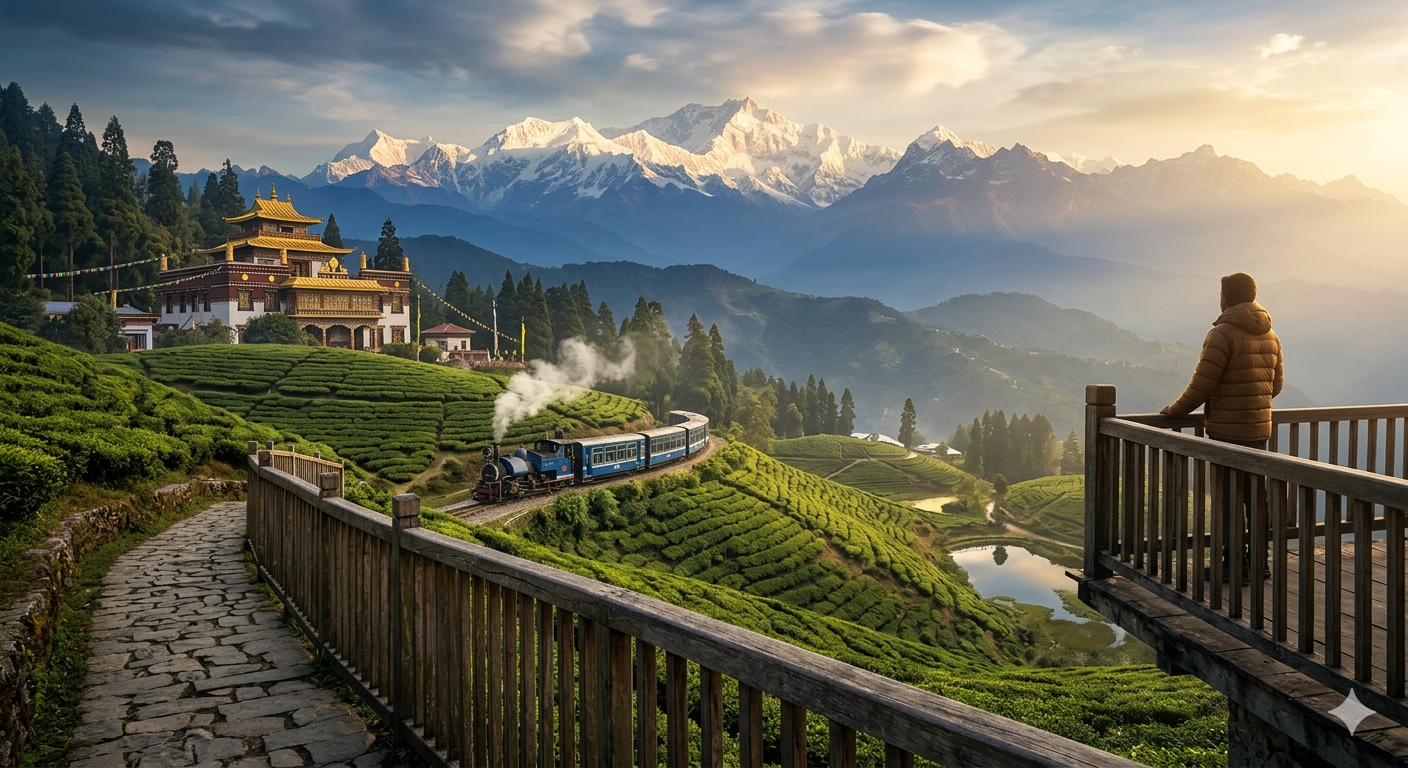
Sikkim and Darjeeling Itinerary: The Ultimate 10-Day Guide
Introduction
Planning a Sikkim and Darjeeling itinerary often feels like navigating a labyrinth of permit requirements and conflicting transit logistics. You know the regions you want to see—the neon-blue lakes of the North and the colonial tea ridges of the South—but the friction of coordinating high-altitude pacing with authentic cultural immersion can stall even the most seasoned traveler. This guide eliminates the guesswork, replacing planning fatigue with a definitive, masterfully sequenced route that ensures you never rush a sunrise or miss a hidden monastery chant. By prioritizing physiological acclimatization alongside geographic logic, we have crafted a flow that moves seamlessly from the chic cafes of Gangtok to the raw, oxygen-thin beauty of the Tibetan plateau.
On this journey, you will experience:
- Logical Altitude Scaling: A sequence designed to prepare your body for the 17,800-foot heights of the North without sacrificing comfort.
- Dual Heritage Immersion: The distinct transition from the serene Buddhist traditions of Sikkim to the storied British-era elegance of Darjeeling.
- Curated Mountain Access: Direct routing to “forbidden” alpine valleys and private tea estate tastings far beyond the standard tourist circuit.
The mist is beginning to lift over the Kanchenjunga range; your private driver is ready, and the first cup of high-grown Temi tea is waiting.
Day-by-Day Itinerary
Day 1: The High-Altitude Prelude in Gangtok
The first day of your Sikkim and Darjeeling itinerary is intentionally designed to ground you. After the ascent from the plains, your body needs a gentle introduction to the 5,410-foot elevation of Gangtok. This day balances the necessity of rest with the sensory spark of MG Marg’s social pulse.
Morning: Floral Whispers and Artisan Threads After checking into your sanctuary above the clouds, begin with a slow-burn stroll through the Flower Exhibition Centre. In the spring, the rhododendrons are a riot of velvet pinks, offering a soft focus for your first mountain photos.
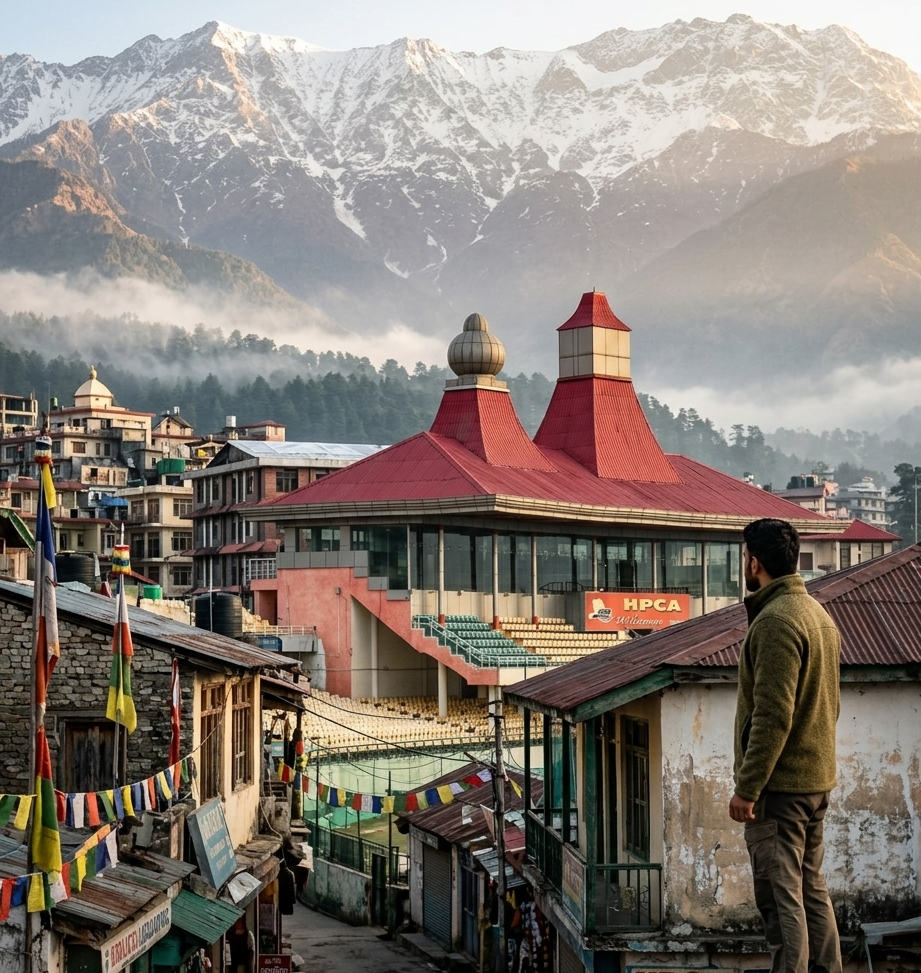
Afternoon: Panoramic Vistas and Silent Histories As the midday haze clears, head to Tashi View Point. The scale of the Kanchenjunga massif is best captured here when the sun is high and the shadows are sharp.
Evening: Rooftop Rituals and Local Life The energy shifts to the cobblestones of MG Marg as the streetlights flicker on. Secure a terrace table at The Square to watch the pedestrian flow below while sampling your first plate of hand-folded chicken momos.
Day 5: The Edge of the World at Gurudongmar
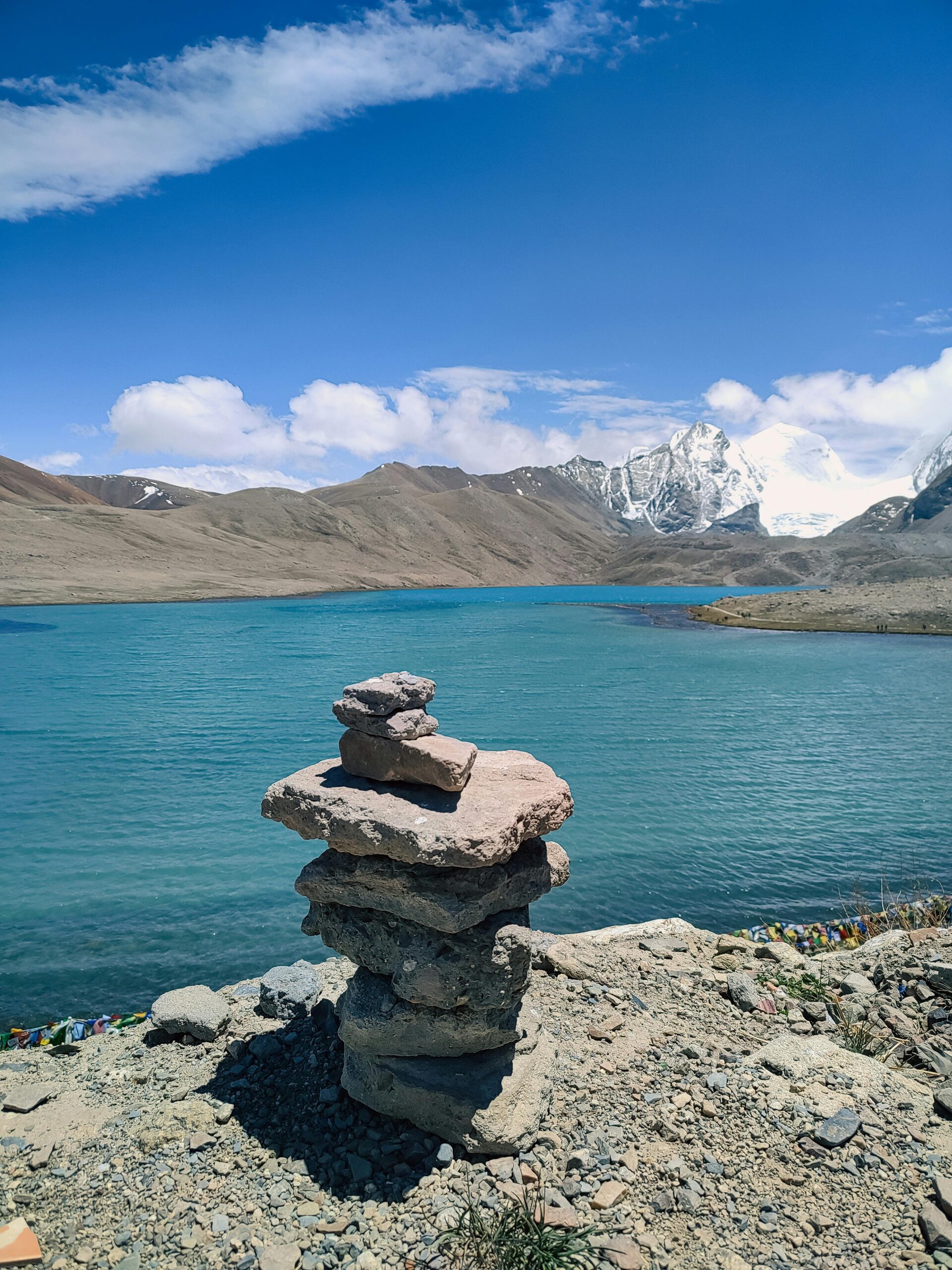
This is the peak of the trip, both literally and figuratively. At nearly 18,000 feet, Gurudongmar is one of the highest lakes in the world. The day is structured with a “slow-and-steady” philosophy to ensure the thin air doesn’t detract from the surreal, turquoise beauty of the Tibetan plateau.
Morning: The Pre-Dawn Ascent to Blue Waters You will depart Lachen long before the sun rises, moving through a landscape that shifts from lush forest to stark, desert-like tundra. The moment you crest the final ridge to see Gurudongmar Lake is a visual shock.
Afternoon: Alpine Fare in the Chopta Valley As you descend back into the “oxygen zone,” stop in the Chopta Valley for a restorative lunch. This is the place to try Thenthuk, a hand-pulled noodle soup that is the ultimate high-altitude comfort food.
Evening: Firelight and Mountain Tales Back in Lachen, the evening is about recovery and warmth. Most travelers prefer the intimacy of a homestay kitchen here, sitting by the wood-fired stove as the host prepares yak-cheese fritters.
Day 9: The Colonial Transition to Darjeeling
The transition from Sikkim to West Bengal is a shift from the rugged and raw to the refined and historic. The drive itself is a narrative of changing vegetation, moving from the dense teak forests of the Teesta Valley into the orderly, manicured emerald slopes of the world’s most famous tea gardens.
Morning: The First Flush Experience As you cross the border, the Hill Cart Road begins its winding ascent. Stop at a premier estate like Glenburn for a private “First Flush” tasting.
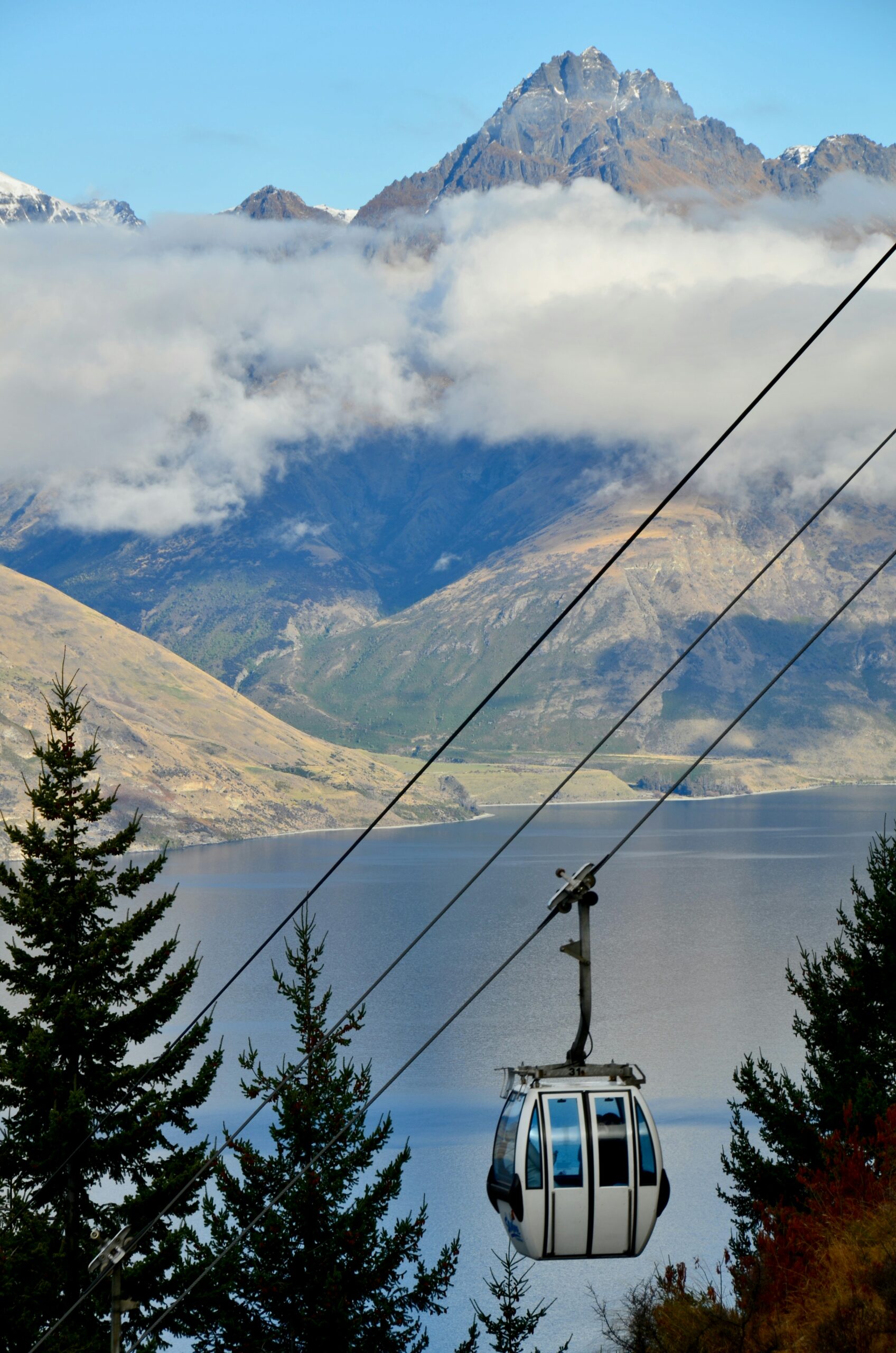
Afternoon: The Ridge and the Peace Pagoda After checking into a heritage hotel near the Mall, take the cable car for a bird’s-eye view of the tea terraces. The afternoon light is best at the Japanese Peace Pagoda.
Evening: Heritage Dining and Starlit Squares Dinner tonight should be at Keventer’s or Glenary’s, institutions that have defined Darjeeling’s social life for over a century. Order a pot of second-flush tea and watch the fog roll over the Chowrasta.
Why Visit Sikkim and Darjeeling?
Choosing to visit this region is an investment in seeing a side of the Himalayas that feels both ancient and extraordinarily preserved. While other mountain destinations have succumbed to over-tourism, this circuit retains a rugged, high-altitude soul balanced by the colonial elegance of the tea hills. You are drawn here for the transition: one day you are sipping a refined First Flush in a wood-paneled lounge in Darjeeling, and forty-eight hours later, you are standing on the stark, oxygen-thin Tibetan plateau.
Where to Stay During Your Sikkim and Darjeeling Itinerary
- Luxury: Colonial Heritage and Spa Resorts (Gangtok & Darjeeling) Staying in heritage properties like the Elgin Nor-Khill in Gangtok or Windamere in Darjeeling allows you to live inside history. These properties offer localized luxury—think crackling fireplaces and Burmese teak floors.
- Mid-Range: Views and Boutique Comforts (Gangtok) Properties in the Upper Sichey or Tibet Road areas offer the best balance of price and panorama. You get high-thread-count linens and reliable Wi-Fi, but the real payoff is the private balcony.
- Budget: Vibrant Hostels and Central Guesthouses (Gangtok & Darjeeling) For the social traveler, staying near MG Marg or Chowrasta provides ultimate walkability. These spots are perfect for solo travelers looking to join group departures for North Sikkim.
- North Sikkim: Traditional Homestays (Lachen & Lachung) Accommodations in the North are rustic by necessity but offer a profound cultural payoff. You’ll stay in wooden-walled rooms where the “luxury” is the authentic home-cooked thukpa.
- Tea Estate Bungalows: Immersive Nature (Darjeeling Surroundings) Opting for a stay inside a working estate like Makaibari or Glenburn is an upgrade for the senses. You aren’t just a tourist; you are a guest of the garden, waking up to the sound of the morning bell.
Check out the latest availability and rates for your Sikkim and Darjeeling accommodation.
How to Get Around
- Private SUV (Xylo/Innova/Scorpio): The North Sikkim Essential Due to the rugged, unpaved terrain of North Sikkim, high-clearance 4WD or specialized SUVs are mandatory for any safe Sikkim and Darjeeling itinerary.
- Shared Taxis: The Budget Lifeline Connecting major hubs like Siliguri, Gangtok, and Darjeeling via shared cabs is the most cost-effective method. You trade personal space for a significant price drop.
- The Darjeeling Himalayan Railway (Toy Train): The Heritage Loop This UNESCO World Heritage steam engine is a slow-motion cinematic experience. It allows you to experience the engineering marvel of the “loops” and the nostalgia of colonial-era travel.
- Local Hired Taxis: Gangtok & Darjeeling City Tours Small hatchbacks are perfect for navigating the tight, vertical streets of the main towns. Hiring a “local point” driver ensures you hit all the major monasteries without the stress of parking.
- Walking: The Pedestrian Logic Both Gangtok (MG Marg) and Darjeeling (The Mall) feature extensive vehicle-free zones. Embracing the walkability of these ridges allows you to discover hidden cafes and quiet temples.
Cost & Budget Breakdown
- Luxury Daily Spend (₹12,000+ / $150+): This tier secures high-end heritage suites, private luxury SUVs for all segments, and fine-dining experiences.
- Mid-Range Daily Spend (₹5,000 – ₹8,000 / $60 – $100): This budget covers boutique 3-star hotels, private taxis for the North Sikkim loop, and meals at popular cafes.
- Budget Daily Spend (₹2,500 – ₹4,000 / $30 – $50): Focusing on hostels, shared transport, and local dhabas. This allows you to extend your trip duration significantly by using local infrastructure.
- North Sikkim Package Costs: Fixed-price packages for Lachen/Lachung are standard. These range from ₹10,000 to ₹25,000 for a 3-day loop depending on vehicle exclusivity.
- Permit and Entry Fees: Budget around ₹500–₹1,000 for various permits (Nathula, North Sikkim) and museum entry fees. These are non-negotiable for accessing the protected border zones.
Best Time to Visit
- Spring (March to May): The Floral Peak This is the most visually stunning window for North Sikkim, as the Shingba Rhododendron Sanctuary explodes into color. Temperatures are mild and passes are generally open.
- Autumn (October to November): The Crystal Clear Window Post-monsoon air is the cleanest, offering the highest probability of seeing the Kanchenjunga massif in its full, unobstructed glory.
- Winter (December to February): The Snow Seeker’s Choice While North Sikkim becomes biting cold, the sight of a frozen Tsomgo Lake is unparalleled. You benefit from lower hotel rates and fewer crowds.
- Monsoon (June to September): The Off-Beat Lushness While landslides make travel unpredictable, the waterfalls are at their most powerful and the tea gardens are a vibrant, electric green.
- Early December: The Festival Season Visiting during the Sikkimese New Year (Losoong) provides a deep dive into local culture, with traditional masked dances and archery competitions.
What to Pack
- Layered Alpine Clothing: The 3-Layer Rule Temperatures can drop from 15°C in Gangtok to -10°C at Gurudongmar within hours. Pack moisture-wicking base layers and a high-quality down jacket.
- Sturdy Footwear: Waterproof Hiking Shoes The terrain at the lakes and monasteries is uneven and often damp. Waterproof shoes protect you from slips on frozen paths and keep your feet dry.
- High-Altitude Skincare: SPF 50+ and Balm The sun at 17,000 feet is incredibly intense. A high-SPF sunscreen is essential to prevent severe UV damage on the high-altitude plateaus.
- Portable Oxygen & Med Kit: The Altitude Buffer While most drivers carry oxygen, having your own small “Oxypure” can is a smart safety backup. Include Acetazolamide (Diamox) after consulting a doctor.
- Power Banks & Offline Maps: Tech Readiness Cold weather drains phone batteries rapidly, and network connectivity is non-existent in the North. A high-capacity power bank is a mandatory travel companion.
Best Photo & Instagram Spots
- Tiger Hill Sunrise (Darjeeling): The Golden Hour Icon Capture the first light hitting Kanchenjunga. The payoff is the “sleeping Buddha” silhouette turning from purple to a fiery orange.
- Tsomgo Lake (East Sikkim): The Mirror Reflection The still, turquoise water surrounded by snow-dusted slopes provides perfect symmetry. It is a highlight of any Sikkim and Darjeeling itinerary.
- Gurudongmar Lake (North Sikkim): The High-Altitude Desert The contrast of bright prayer flags against deep blue water is surreal. The light here is sharp, creating high-contrast shots that look otherworldly.
- Batasia Loop (Darjeeling): The Toy Train Spiral Position yourself on the garden ridge to catch the steam engine as it circles the war memorial against the backdrop of the town.
- Yumthang Valley (North Sikkim): The Alpine Carpet In spring, the valley floor is covered in primulas. It is the ideal spot for “lifestyle” mountain shots showing the scale of the valley.
Local Etiquette & Cultural Intelligence
- Clockwise Circumambulation: The Sacred Path When visiting stupas or prayer wheels, always walk in a clockwise direction as a fundamental sign of respect in Himalayan Buddhism.
- Modest Dressing in Monasteries: Respectful Entry Keep shoulders and knees covered. Removing your shoes and hat before stepping into a prayer hall is mandatory.
- The “Left Hand” Taboo: Giving and Receiving Always use your right hand or both hands when giving or receiving items. Using both hands is a gesture of high respect and humility.
- Photography Consent: The Human Element While the people are friendly, always ask before taking portraits, especially of monks or elders. A simple nod goes a long way.
- Environmental Stewardship: The Plastic Ban Sikkim has strict bans on single-use plastics. Respecting these laws is vital for participating in the preservation of this pristine mountain state.
Safety Tips & Common Scams
- Altitude Awareness: The North Sikkim Danger The ascent to Gurudongmar is rapid. Never ignore a headache or nausea. The best safety rule is to “climb high, sleep low.”
- The “Nathula Pass” Permit Scam: Verified Agents Only Unauthorized agents may claim to get you permits on closed days. Always verify permit status through your registered hotel.
- Road Sickness: The Hairpin Reality The roads are a literal zig-zag. If you are prone to motion sickness, take medication an hour before departure and sit in the front seat.
- Pre-Paid Taxi Rates: The Rate Chart Check In Gangtok and Darjeeling, taxi stands have official government rate charts. Always check the chart before starting your journey.
- Weather Preparedness: The “Buffer Day” Rule Mountain weather can trigger sudden road closures. Always keep a buffer day at the end of your trip before your flight out of Bagdogra.
Travel Style Variations
- The Adventure Purist: Off-Beat North Instead of the standard loop, look into the Kalapathar trek. This style focuses on high-altitude endurance and remote camping.
- The Heritage Historian: Colonial Darjeeling Spend extra nights in Darjeeling focusing on “Great Game” history at the Planters Club and the Himalayan Mountaineering Institute.
- The Spiritual Seeker: Monastic Immersion This variation prioritizes the “Dharma” circuit, spending extra time at Rumtek and the holy Khecheopalri Lake.
- The Slow-Traveler: Rural Homestays Skip the hotels and stay in villages like Dzongu. This style is about integration—helping with the harvest and learning local recipes.
- The Luxury Collector: The Estate Life Focus on the “Tea and Spa” combination. Use Mayfair in Gangtok and a high-end estate in Darjeeling as your anchors.
Rainy-Day / Alternate Plans
- Museum Deep-Dives: Namgyal Institute & HMI If clouds block the mountains, spend the day indoors. These institutes offer hours of fascinating exploration requiring zero visibility.
- The Cafe Culture Crawl: MG Marg & The Mall Rainy days are perfect for the cafe scene. Spend the afternoon at Glenary’s or Rachna Books, which serve as cozy rainy-day sanctuaries.
- Spa and Wellness Retreats: Traditional Sikkimese Healing Use the inclement weather as an excuse for a traditional herbal stone bath or a Tibetan massage to recover from mountain travel.
- Cooking Classes: Momo & Thukpa Workshops Ask your homestay host for a quick workshop on folding momos. It’s an engaging indoor activity that provides you with a new skill.
- Tibetan Refugee Self-Help Center: Craft Observation Visit the workshop areas where you can watch carpets being woven under covered bays, staying dry while supporting local artisans.
Food & Drink Guide
- The Momo Spectrum: From Street to Suite Try momos at three different price points. Look for “Beef or Pork” variants in local holes-in-the-wall for the most authentic flavor.
- Thukpa and Thenthuk: The Noodle Comfort These hand-pulled noodle soups are the primary fuel for travelers facing the cold of North Sikkim.
- Tongba: The Fermented Millet Experience Served in a bamboo canister, this “warm beer” is made by pouring hot water over fermented millet—the ultimate social drink.
- Traditional Sikkimese Set Meal: Gundruk and Sinki Seek out a meal that includes fermented leafy greens and radish taproot for a unique, sour, and earthy flavor profile.
- Darjeeling Tea: The Orthodox Ritual Tea here is served without milk or sugar. Ask for “First Flush” for a light, champagne-like morning cup that defines the region.
FAQs
Do I need a permit for Sikkim? Yes. All travelers need an Inner Line Permit (ILP) to enter the state, and specific Protected Area Permits (PAP) are required for North Sikkim and Tsomgo Lake. These are easily arranged by your tour operator or at border check-posts.
Is it safe to visit Gurudongmar Lake? It is safe if you follow acclimatization rules. Because the lake is at 17,800 feet, you must spend at least two nights at intermediate altitudes (Gangtok and Lachen) before attempting the visit.
Can foreigners visit North Sikkim? Foreigners are permitted to visit Lachen, Lachung, and the Yumthang Valley, but they are currently restricted from visiting Gurudongmar Lake and the Nathula Pass due to proximity to the international border.
What is the best way to reach Gangtok? The most reliable way is flying into Bagdogra (IXB) or taking a train to New Jalpaiguri (NJP), followed by a 4-5 hour drive. The Pakyong airport in Sikkim has limited and weather-dependent connectivity.
Is vegetarian food easily available? Absolutely. While meat is common, almost every restaurant and homestay offers excellent vegetarian versions of momos, thukpa, and traditional Nepali/Sikkimese dal bhat.
How many days are enough for this circuit? A 10-day itinerary is the “gold standard.” It allows for proper acclimatization, 2 nights in the remote North, and a relaxed 2-night finish in Darjeeling without feeling like you are constantly in a vehicle.
What currency is used, and are ATMs available? Indian Rupees (INR) are used. ATMs are plenty in Gangtok and Darjeeling, but they are non-existent in North Sikkim (Lachen/Lachung). Always carry enough cash for your entire North Sikkim segment.
Is the water safe to drink? It is advised to drink bottled, filtered, or boiled water. Sikkim has strict plastic bans, so many hotels provide filtered water in glass bottles—this is perfectly safe and environmentally friendly.
Can I visit Nathula Pass? Nathula is only open to Indian citizens. Permits must be applied for a day in advance through a registered agent, and the pass is closed on Mondays and Tuesdays.
Is there mobile connectivity in North Sikkim? Connectivity is very poor. BSNL and Airtel work intermittently in Lachen and Lachung, but you will have zero signal at Gurudongmar Lake or Yumthang Valley. Inform family of your “offline” status beforehand.
What should I wear for the Tiger Hill sunrise? Even in summer, it is freezing at 4 AM on the ridge. Wear a heavy jacket, gloves, and a woolen cap. You can buy hot tea and coffee at the summit while you wait for the sun.
Is Sikkim a good destination for solo female travelers? Sikkim is widely considered one of the safest states in India for women. The local culture is respectful, and the tourism infrastructure is professional, though joining group tours for the North is recommended for convenience.
Final Tips & Conclusion
The journey through the Himalayas is not just a change in location, but a change in perspective. To get the most out of your Sikkim and Darjeeling itinerary, embrace the “mountain time” philosophy—roads will be slow, and the best moments often happen over a steaming cup of tea. By following this logically sequenced 10-day flow, you ensure that you aren’t just checking boxes, but actually experiencing the profound stillness of the high Himalayas.

Leave a Reply