Darjeeling Tea Gardens Itinerary: A Calm, Scenic 5-Day Hill Journey
Introduction
You want a Darjeeling tea gardens itinerary that flows effortlessly—without juggling sunrise timings, overloading days, or realizing too late that the best moments were missed. Planning Darjeeling often feels fragmented: tea estates sit far apart, viewpoints demand early starts, and poor pacing can drain energy before the scenery truly lands. This itinerary removes that uncertainty. You move through Darjeeling with clarity and confidence, guided by altitude-aware pacing, smart routing, and a natural rhythm that balances movement with stillness. Each day has a purpose, unfolding logically from gentle acclimatization to deep tea immersion and cultural texture—so you never wonder what comes next or why it matters. You get:- Sunrise experiences timed for light and visibility
- Tea journeys layered from casual tastings to estate immersion
- Walkable town life balanced with quiet hill escapes
- Breathing room built in—without wasted hours
Day-by-Day Itinerary
Day 1 — A Gentle Arrival into Darjeeling’s Hill Rhythm
This first day is deliberately slow, allowing your body to acclimatize while your senses tune into Darjeeling’s mountain pace. Morning You arrive and settle into your hotel before stepping out for a short orientation walk. Elevated viewpoints, quiet lanes, and crisp hill air introduce Darjeeling without demanding effort. Afternoon A relaxed wander through Chowrasta and nearby promenades reveals café culture, local shops, and the town’s unhurried rhythm. Lunch is informal and warm, encouraging you to linger and observe rather than rush. Evening As clouds thin and light softens, you pause for chai on a terrace overlooking the valley. The evening remains simple—comforting food, calm streets, and early rest.Day 2 — Himalayan Sunrise and Darjeeling’s Iconic Heart
This day delivers Darjeeling’s most iconic visuals, paired with cultural depth that grounds the spectacle. Morning Before dawn, you ascend toward a high-altitude viewpoint as the Himalayas emerge slowly in pink and gold. On the return, a monastery visit adds quiet reflection to the morning’s grandeur. Afternoon Back in town, you explore mountaineering history, native wildlife, and alpine gardens—gaining context for the landscapes you’ve just seen. A first tea estate visit introduces Darjeeling’s craft and flavor profiles. Evening Markets glow softly as evening settles in. Dinner leans local and warming, while valley lights shimmer below, creating a sense of intimacy rather than scale.Day 3 — Colonial Echoes and Deep Tea Country
This is the most immersive day of the Darjeeling tea gardens itinerary, connecting history, landscape, and living tradition. Morning A guided colonial walk leads you through quieter lanes, historic schools, and hillside churches, revealing stories woven into Darjeeling’s architecture. Afternoon You head into tea country—first visiting a small, family-run estate for hands-on plucking and tasting, then continuing to a heritage estate where factory visits and guided tastings reveal depth, technique, and legacy. Evening Golden light settles over misted slopes as you sip tea on a quiet terrace. Returning to town feels unhurried and deeply satisfying.Day 4 — Toy Trains, Markets, and Living Culture
This day adds motion and color, balancing nostalgia with everyday hill life. Morning A heritage toy train ride curves along ridgelines, offering dynamic valley views. A scenic loop stop and tea trading visit deepen the experience beyond the ride itself. Afternoon Markets come alive with textiles, spices, and street food. Artisan centers showcase living traditions, while lunch remains hearty and grounding. Evening Warm drinks, distant train whistles, and casual street snacks close the day. Darjeeling now feels familiar—something you move through with ease.Day 5 — A Soft Farewell or Scenic Extension
The final day stays flexible, allowing the journey to end gently rather than abruptly. Morning A quiet walk or focused tea tasting lets Darjeeling linger. There is no rush—only reflection. Afternoon If time allows, a short countryside or lake excursion offers one last shift in scenery. Otherwise, a panoramic viewpoint brings the journey full circle. Evening Departure unfolds calmly, with the hills fading behind you in layers of mist and memory.Why Visit Darjeeling?
- Himalayan drama without extremes – Mountain scenery without harsh altitude or remoteness.
- Authentic tea culture – Direct access to working tea estates and tastings.
- Walkable hill town life – Promenades, cafés, and viewpoints close together.
- Cultural layering – Tibetan, Nepali, colonial, and Bengali influences coexist.
- Scenic variety – Views, gardens, markets, and monasteries within short distances.
Where to Stay
Luxury
- Heritage hill hotels near Chowrasta – Central, atmospheric, and ideal for evening walks.
- Tea estate retreats – Immersive and serene, prioritizing views and privacy.
- Ridge-top resorts – Panoramic decks and spa facilities with planned transfers.
- Boutique luxury lodges – High-touch service with strong local character.
- Trade-off – Slopes and stairs are common; request lower-floor rooms if needed.
Mid-Range
- Mall Road and Nehru Road hotels – Walkable, lively, and practical.
- Renovated colonial buildings – Character-rich stays with modern comfort.
- View-facing hillside hotels – Scenic mornings with short climbs.
- Family-run properties – Warm service and local insight.
- Trade-off – Heating quality matters during cooler evenings.
Budget
- Guesthouses near Chowk Bazaar – Affordable and central.
- Hostels with private rooms – Social atmosphere and basic comfort.
- Small lodges on Ladenla Road – Good transport access.
- Trade-off – Limited amenities and variable hot water.
- Safety note – Stick to well-lit areas at night.
How to Get Around
- Private car with driver – Essential for tea estates and sunrise viewpoints.
- Walking within town – Best way to experience Chowrasta and Mall Road.
- Short taxi rides – Convenient for slopes and longer distances.
- Heritage toy train – An experience rather than transport.
- Trade-off – Public buses are cheap but slow and unpredictable.
Cost & Budget Breakdown
- Accommodation – Budget-friendly options exist; heritage luxury commands a premium.
- Transport – Private cars are the main variable expense.
- Food – Local meals are affordable; cafés offer strong value.
- Experiences – Museums and estates are modestly priced.
- Overall – Suits mid-range budgets with optional splurges.
Best Time to Visit
- Clear-sky seasons – Highest chance of mountain visibility.
- Active tea periods – Estates are most engaging.
- Cool, dry weather – Ideal for walking and photography.
- Shoulder seasons – Fewer crowds and softer light.
- Avoid heavy monsoon – Reduced views and landslide risk.
What to Pack
- Layered clothing – Temperature shifts are common.
- Comfortable walking shoes – Uneven pavements and slopes.
- Light rain protection – Mist appears year-round.
- Sun and wind gear – High-altitude exposure.
- Small daypack – For layers, water, and camera.
Best Photo & Instagram Spots
- Sunrise viewpoints – Early light brings depth to Himalayan peaks.
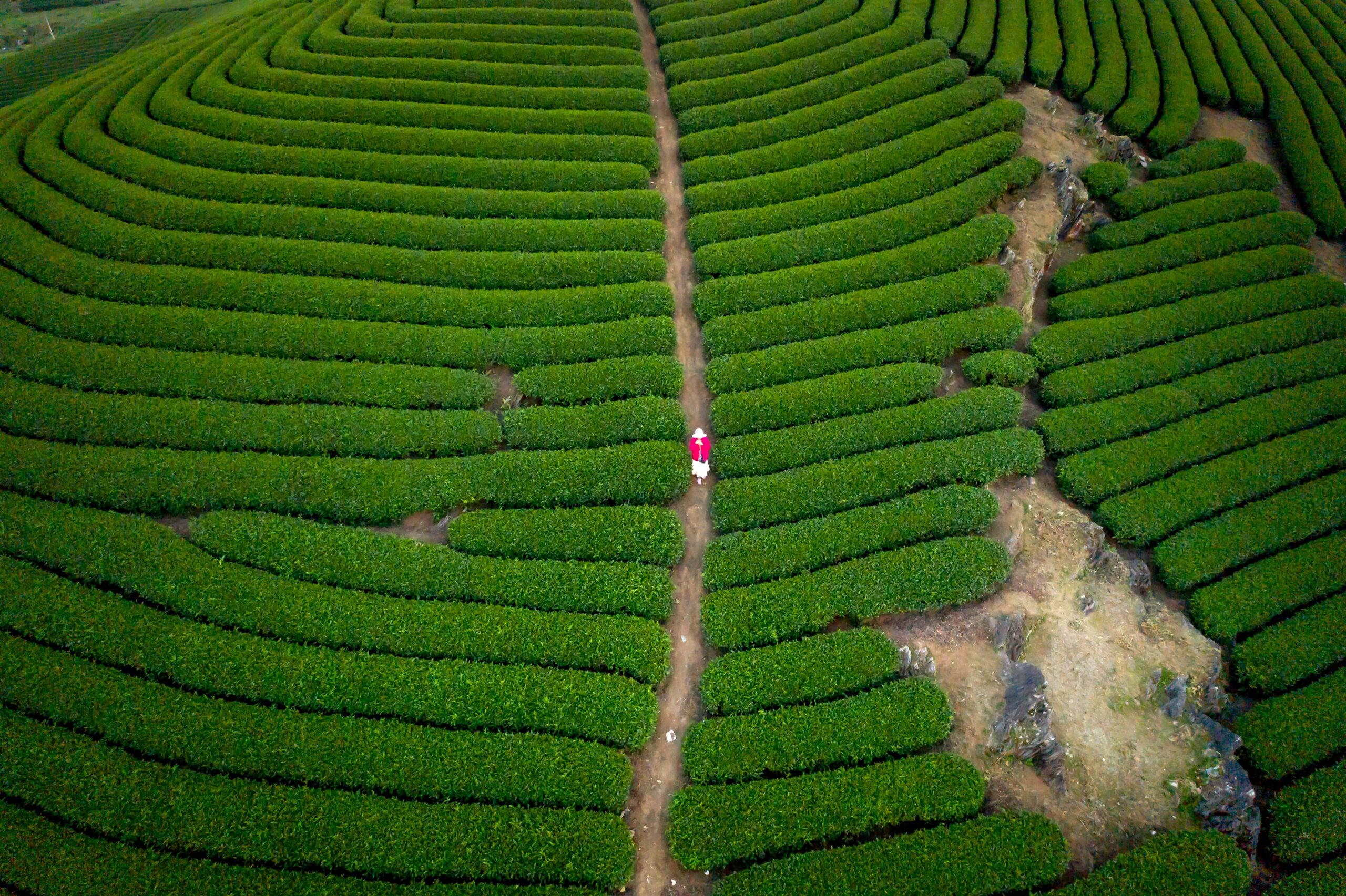
- Tea garden terraces – Misty rows and workers at dawn.
- Colonial lanes – Texture-rich architecture.
- Batasia Loop – Curving tracks and layered views.
- Chowrasta at dusk – Street life with valley lights.
Local Etiquette & Cultural Intelligence
- Ask before photographing people – Especially monks and workers.
- Dress modestly at religious sites – Covered shoulders recommended.
- Polite, unhurried conversation – Valued over speed.
- Respect tea tastings – Sip thoughtfully; don’t rush.
- Tipping – Appreciated but not mandatory.
Safety Tips & Common Scams
- Use licensed drivers – Safer on narrow hill roads.
- Avoid unofficial guides – Book through hotels or known operators.
- Watch footing – Slippery paths in mist.
- Limit late-night wandering – Central areas are safest.
- Buy tea from reputable shops – Avoid inflated “exclusive” claims.
Travel Style Variations
- Luxury slow travel – Add spa time and estate stays.
- Tea-focused immersion – Extend estate visits.
- Photography-led trip – Flexible mornings and golden hours.
- Culture-first journey – More heritage walks and monasteries.
- Relaxed budget travel – Central stays and more walking.
Rainy-Day / Alternate Plans
- Museums – Insightful and sheltered.
- Cafés and bakeries – Best enjoyed in mist.
- Indoor tea tastings – Continue despite rain.
- Covered markets – Atmospheric even in drizzle.
- Short scenic drives – Moody landscapes without long exposure.
Food & Drink Guide
- Tibetan and Nepali dishes – Hearty and warming.
- Colonial bakeries – Ideal for slow breakfasts.
- Local street snacks – Simple and flavorful.
- Tea lounges – Structured tastings with context.
- Seasonal trout – A regional specialty.
FAQs
Is Darjeeling suitable for first-time mountain travelers?
Yes. The altitude is moderate and the town is well developed.
Do I need permits for tea estates?
Most allow visits with prior arrangement or guided tours.
Is the toy train worth it?
Yes, for atmosphere and views rather than speed.
How physically demanding is this itinerary?
Moderate, with walking balanced by rest.
Is Darjeeling safe for solo travelers?
Yes, especially in central areas during daylight.
Can this trip be extended?
Yes, nearby lakes and additional estates fit naturally.
Final Tips & Conclusion
This Darjeeling tea gardens itinerary succeeds because it respects terrain, light, and pacing. Start early when views matter, slow down when atmosphere matters more, and let the hills reveal themselves without force. Darjeeling rewards patience with clarity, calm, and depth that lingers long after departure.
Important Links:

Popular on Aerotripline
 Luxury Ladakh Itinerary: 5-Day Cinematic Journey Through Leh & Pangong
Vietnam in 6 Days: A High-End Itinerary Through Hanoi, Halong’s Karsts & Lantern-Lit Hoi An
Luxury Ladakh Itinerary: 5-Day Cinematic Journey Through Leh & Pangong
Vietnam in 6 Days: A High-End Itinerary Through Hanoi, Halong’s Karsts & Lantern-Lit Hoi An
 7-Day Greece Itinerary: Athens, Santorini & Mykonos — Ferries, Sunsets, Beaches, Ancient Sites, Wineries & Island Tours
 Ultimate 7 Day Rajasthan Itinerary: Jaipur, Jaisalmer and Udaipur Travel Guide


Leave a Reply